
Commercial Roofing in Brazos County Industrial Park, Bryan, TX
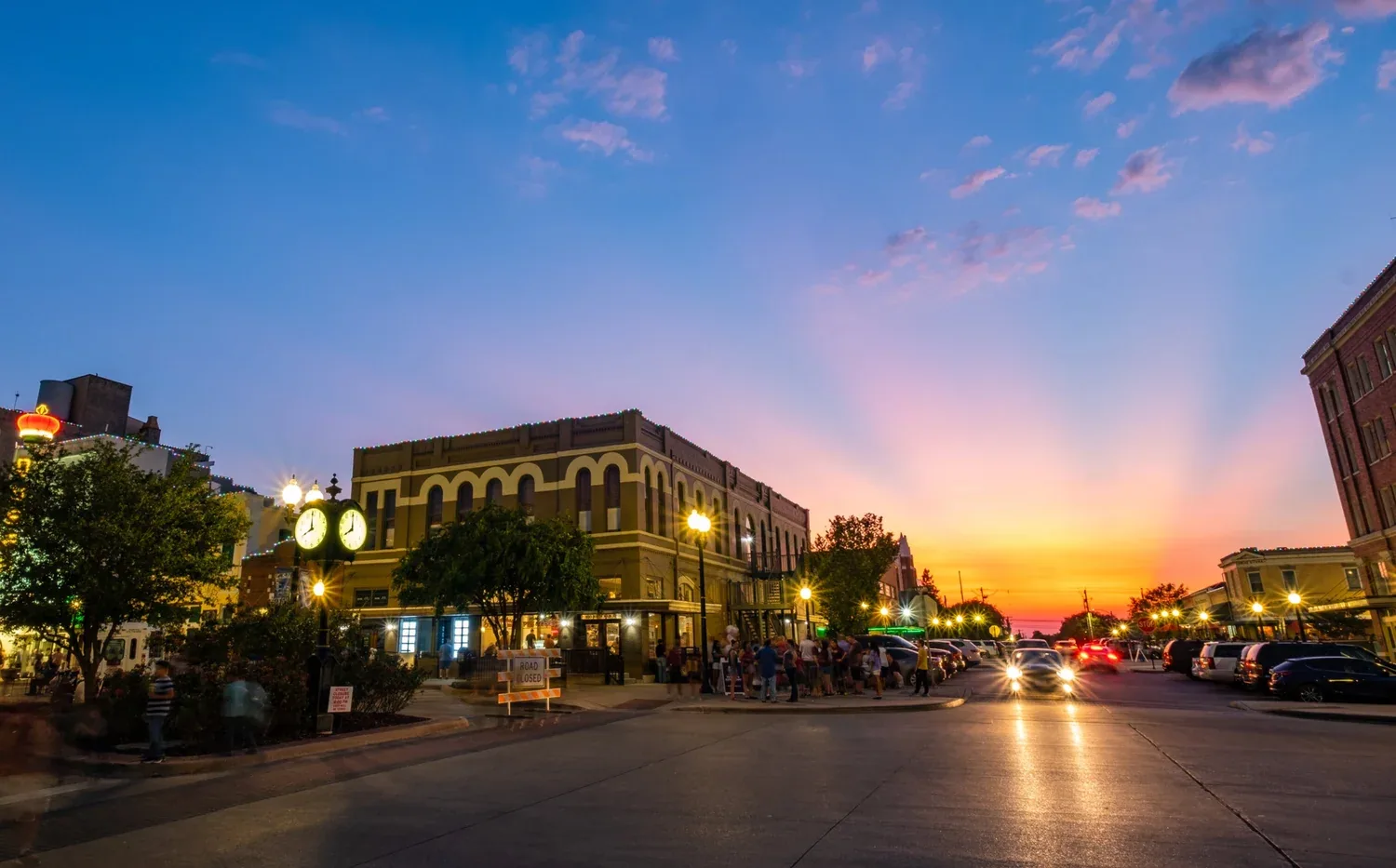
Brazos County Industrial Park
Manufacturing, materials, and distribution buildings in Brazos County Industrial Park can have different roof assemblies and access limits even within one broad commercial area. The park covers more than 300 acres west of FM 2818 and south of SH 21, so an owner may coordinate several work zones or properties without treating them as a single roof. We start with the building plan, operating hours, and maintenance record, then document the condition of seams, drains, penetrations, curbs, and edges. That gives the property team a practical basis for repair timing and capital scope.
Industrial operations often depend on loading lanes, rooftop equipment, and interior areas that cannot be left exposed. We map those constraints before recommending a work sequence. If water is active, temporary protection and permanent correction are recorded separately. A commercial roof inspection can establish which findings are visible, which need further access, and which roof sections deserve a closer review.
Start with the building’s use
A distribution area may need a clear dock route while work is underway, while a manufacturing section may have equipment or production windows that require advance coordination. The site contact can identify deliveries, shift changes, lift access, and interior operations that affect the inspection route. We use that information to sequence roof areas and mark restrictions in the record rather than assuming every part of the property is equally accessible.
The industrial park’s documented activity includes manufacturing, building products, materials, and distribution. Those uses can involve roof penetrations for ventilation, process equipment, and later service changes. We photograph each accessible detail with enough surrounding context to identify its position, then compare it with drawings or prior repair notes. An asset record can separate a confirmed defect from an area that requires a different access window.
Identify transitions before scoping
Large industrial roofs can combine broad membrane fields with metal edges, equipment curbs, expansion joints, and transitions between additions. We identify the system where it can be verified and note changes in height or material before grouping repair work. A seam failure beside a penetration may have a different cause and repair detail than a split at a perimeter termination. The scope should describe those locations distinctly so the owner can compare what is included.
Where roof plans are incomplete, a marked aerial and zone labels can help organize the review. We tie each photograph to a roof area, record visible patch history, and note whether attachment or insulation needs further confirmation. A roof condition report can preserve those observations for maintenance and capital planning. For a separate industrial setting in Bryan, the Bryan Business Park roof review should retain its own building files and access assumptions.
Follow drainage and leak reports
Interior water reports should be tied to a date, room or process area, and the roof section above or near it. Water can move laterally through insulation or along a deck, so we inspect nearby seams, penetrations, flashings, curbs, and wall interfaces before locating the repair boundary. A visible ceiling mark is useful evidence, but it may not align directly under the roof opening. The field record distinguishes confirmed openings from possible pathways that would require additional testing.
Drainage details deserve their own review when water remains after routine cleaning. We note visible debris, outlet condition, slope changes, and any history of ponding supplied by the manager. A drainage review can help determine whether a specific inlet or broader roof condition needs attention. If the surrounding membrane is sound and the defect is localized, a commercial roof repair may be suitable; repeated wet areas can widen the investigation.
Plan around heat and storm evidence
The National Weather Service documented hail from one inch to two and three-quarter inches in the Bryan and College Station area during the April 8, 2021 storm. That record gives local context when a property reports a later event, while the building’s own roof condition determines the response. We inspect accessible membrane, metal edges, curbs, and penetrations, then note marks, movement, or openings by location. An observed dent or surface mark alone does not define the repair scope; the field assessment should connect evidence with the roof assembly.
July can leave Bryan and College Station roofs under sustained heat, with local normal highs reaching 97°F near month-end. Before scheduling membrane work, confirm safe access and the condition of rooftop equipment. Record the actual visit conditions; a climate average adds context but cannot diagnose the roof.
Set a repair boundary the owner can compare
A localized correction can be considered where the source is known and the adjacent materials remain suitable. We describe the repair area, tie-ins, and any condition that may change the boundary once work starts. If inspection notes show repeated failure across multiple roof zones, a broader restoration or replacement comparison may be more useful than another isolated patch. That decision should account for existing layers, attachment, insulation, drainage, edge details, equipment supports, and any access required for removal.
A modified bitumen system has different laps and flashing details from a metal retrofit assembly. The proposed method should match the material that is installed and the condition found in the field. For larger work, commercial replacement planning can set area limits, temporary protection, disposal, equipment sequencing, and closeout milestones. These details help a facilities lead compare bids against the same operating assumptions.
Keep the next visit connected to the record
Before a crew mobilizes, confirm where materials may be staged, which travel lanes must stay clear, how roof access is controlled, and who can resolve a question in the field. A manager can group work by roof zone and set a check-in point after each area is complete. If weather or a concealed condition changes the order, note the revision and its effect on the active work area rather than relying on a verbal handoff.
Brazos County Industrial Park sits within Bryan’s broader industrial network, alongside the Texas Triangle Park and Bryan Business Park. A regional portfolio can use common photo labels and condition categories, while each property keeps a separate record of assembly, repairs, and access needs. The Texas Triangle Park service area has its own rail-served industrial context, and Bryan property coordination can bring those records together without merging roof findings.
Share available roof plans, prior work, interior report dates, loading limits, and the target capital window. We can document the accessible roof areas and outline the next repair, investigation, or replacement decision.
Commercial Roofing Questions
What should an industrial park manager share before inspection?
Provide the available roof plan, repair history, dates and locations for water reports, equipment access requirements, and the contact who can coordinate the visit. Delivery windows and restricted interior areas help set a useful route.
How do you inspect around active loading areas?
We identify dock movement and any clear lanes with the facility contact before placing staging. The crew works within the agreed roof zone, and a schedule change is confirmed before access or temporary protection is moved.
Does regional hail history show that a roof needs repair?
No. A reported event helps focus the inspection, but the roof’s observed surface, edge, and penetration conditions guide the scope. We document the building-specific evidence and note any additional testing needed.
When should an owner compare repair with replacement?
A repair may fit a defined defect in otherwise serviceable material. Recurring wet areas, attachment concerns, or multiple failing transitions can support a broader review, with each option tied to documented conditions.
What details make a closeout useful for the next manager?
Include a labeled plan, photographs, work completed by zone, access limits, and any follow-up item. Those records help connect later reports to the actual repair history.
Coordinate an industrial roof review
Share roof records, operating restrictions, loading periods, and capital timing. We can inspect the property and return a condition-based sequence for repair or larger work.
Related Roofing Work
Request a Roof Assessment
Tell us about the building, the roof and what you are seeing. We look at leaks, storm and wind damage, aging membranes and planned replacements on commercial properties across College Station, Bryan and Brazos County.