
Commercial Roofing in Texas Triangle Park, Bryan, TX
Texas Triangle Park
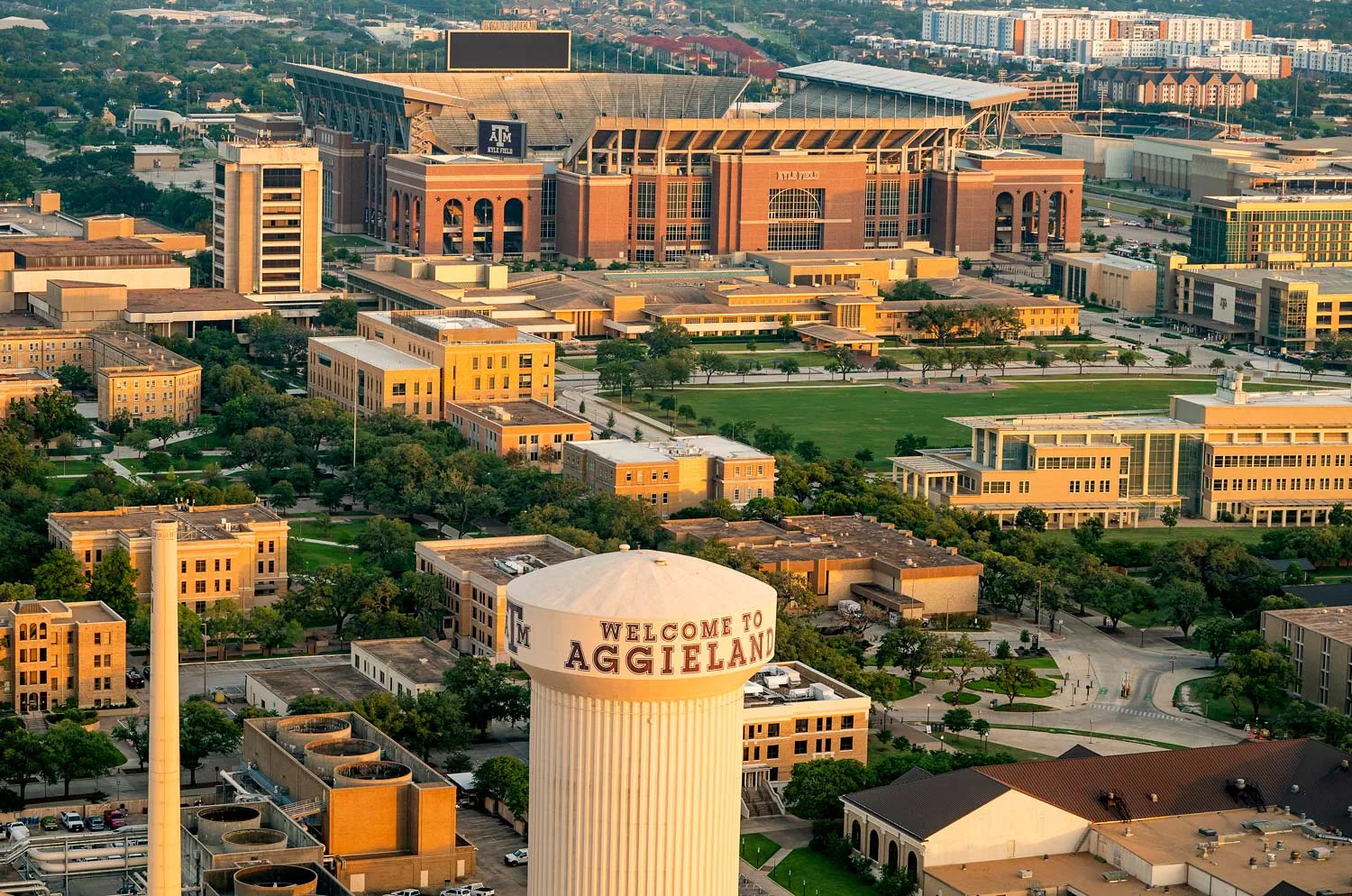
Texas Triangle Park is a broad industrial service area in northeast Bryan. Commercial roof work there begins with the building’s role: production, storage, shipping, or support space. A roof review should identify how people, materials, and equipment move before an inspection window or repair sequence is proposed.
The park is described as a 1,000-acre-plus rail-served industrial property and is designated Foreign Trade Zone No. 84. These characteristics make access planning and clear asset records useful across varied properties. The service area is the wider industrial district. For a planned visit, share the property location, roof history, and any access rules that apply to the work area.
Map the roof to the work below
Industrial roofs can cover different operating zones even when they belong to one property. Production areas may have process equipment or interior conditions to protect, while warehouse space can have long roof runs, storage changes, and frequent loading activity. Offices and support areas may need a quieter inspection window. A useful review records these differences instead of treating the roof as one surface.
Before the visit, identify occupied areas, active shifts, delivery patterns, equipment routes, and the person who can authorize roof access. Mark which doors, docks, or circulation lanes must remain available. If the property has controlled access, the contact can explain the applicable procedure. This helps plan a visit around the operating calendar.
For nearby multi-tenant industrial properties, the Bryan Business Park service area and Brazos County Industrial Park service area have their own property contexts. The same principle applies across Bryan: identify the building use and roof assembly before comparing scope.
Build an assembly record before pricing
A roof record should note the system where it can be verified, approximate installation or repair history when available, visible transitions, drainage features, and rooftop equipment. Drawings, warranties, invoices, and inspection notes can reconcile records with visible conditions. When records are incomplete, the inspection should separate observed conditions from assumptions.
Walk the roof in a consistent sequence and capture representative field areas, seams, penetrations, curbs, edges, and changes in elevation. Pay attention to interfaces around mechanical equipment, skylights, expansion joints, and roof-to-wall transitions. Location-based photographs let a facilities contact compare observations with the asset record.
Different assemblies need different repair methods. A metal retrofit assembly has different attachment and movement considerations than a low-slope membrane. Existing layers, substrate condition, slope, and edge details affect whether a localized repair is appropriate. A modified bitumen assembly also calls for attention to seams, flashings, and transitions when its condition is assessed.
Trace water instead of guessing from a stain
Interior staining identifies where water became visible, but the entry point may be elsewhere. Start with the reported location and timing, then inspect the roof area above it and adjacent transitions. Check drains, scuppers, laps, penetrations, curbs, and perimeter details. Record wet, obstructed, split, displaced, or changed conditions that need closer review.
On a large industrial roof, drainage observations should be tied to recognizable roof zones. Document standing water only after allowing for recent weather and the roof’s drainage path. If debris or equipment interferes with a drain, record its location and whether safe access permits clearing or further inspection. A location-based note is more useful than a general call for attention.
A commercial roof inspection can organize these observations into a roof condition report. Where active water entry is disrupting operations, a commercial roof repair can be scoped around the documented condition, safe access, and the owner’s priorities. The report should distinguish immediate water management from longer-term corrective work.
Use local exposure as inspection context
College Station’s July climate normals show sustained summer heat, with monthly mean daily highs near 95 degrees Fahrenheit. Heat can affect roof-surface conditions and equipment exposure, so inspection timing, safe work practices, and material handling should follow the actual conditions on the day. The observation record should still rely on the roof’s visible state rather than assume a failure based on climate alone.
The National Weather Service documented hail in the Bryan and College Station area during the April 2021 severe storm. After a storm, inspection notes can separate impact indicators from ordinary aging, prior repairs, and existing surface variation. Photograph representative areas and identify locations that merit a closer assessment. This preserves a useful condition history without presuming that any roof across the district sustained damage.
Wind and intense rainfall also make edge attachment, perimeter transitions, and drainage performance relevant review points. The property contact can identify recent weather dates or reported leaks, then match those reports to roof zones. For citywide work in Bryan, keep the service-area context broad and confirm the actual property and access arrangements before scheduling.
Separate repair candidates from replacement planning
A repair candidate should have a defined location, observed condition, proposed method, and a clear basis for monitoring after work. If similar conditions appear across multiple roof zones, document how often they occur and whether they involve the same assembly detail. That comparison helps an owner decide whether isolated work remains sensible or whether broader evaluation belongs in the capital cycle.
Replacement planning can consider roof age when verified, repeated repair history, insulation or substrate concerns, drainage, equipment access, and the consequences of interruption. A phased sequence may be useful when operations need to continue, but phasing should follow building priorities and access constraints rather than an arbitrary calendar. A commercial roof replacement discussion can compare observed condition, available records, and sequencing options without implying that replacement is required before the roof is assessed.
Compare options by roof areas, transitions, preparation, access, protection, and closeout records. Ask which observations support the recommended work and which questions remain open. This lets the property team compare repair, investigation, or replacement against one asset record.
Keep access and closeout in the record
Before mobilization, confirm the work area, roof access point, contact, delivery arrangement, staging limits, and any operating restrictions that apply. Identify who can resolve route conflicts or approve schedule changes. Access conditions should be confirmed for the specific property; they should not be assumed from the park’s general industrial character.
During work, record the roof zone, materials or assembly involved, concealed conditions encountered, and any scope decision that changes the planned sequence. At closeout, provide dated photographs, repair locations, observations that remain open, and care or monitoring notes. If a follow-up inspection is recommended, specify the reason and the condition it should verify.
Bryan Business Park and Brazos County Industrial Park are nearby service areas with separate property contexts. A district label never replaces a roof review. Share the operating calendar and available records so the visit connects to the correct asset and decision.
Commercial Roofing Questions
What should a property contact prepare before a roof inspection?
Start with roof plans or prior reports, leak locations, repair records, access instructions, and the operating hours that affect the visit. If drawings are unavailable, identify the building uses and roof access points so observations can be organized by zone.
Does rail service determine the roof system or repair method?
No. Rail service is part of the district context, while the roof assembly and observed conditions determine the review. The inspection should verify materials, transitions, drainage, edge details, and access requirements at the specific property.
Can a leak be repaired before a full replacement decision?
Often, a localized condition can be evaluated as a repair candidate while broader roof condition is documented separately. The recommendation depends on the assembly, extent of damage, prior repairs, and whether the proposed repair can be inspected and monitored.
How are industrial roof visits coordinated around deliveries?
The property contact can identify active delivery windows, restricted routes, staging limits, and the person authorized to adjust access. Those details should be confirmed for the work area before scheduling rather than inferred from a general property description.
What belongs in a roof condition report?
A useful report connects dated photographs and observed conditions to identifiable roof zones. It can record assembly details, drainage, transitions, repair candidates, unresolved questions, and recommended follow-up so future decisions remain tied to the asset record.
Coordinate an industrial roof review
Share roof records, operating restrictions, loading periods, and capital timing. We can inspect the property and return a condition-based sequence for repair or larger work.
Related Roofing Work
Request a Roof Assessment
Tell us about the building, the roof and what you are seeing. We look at leaks, storm and wind damage, aging membranes and planned replacements on commercial properties across College Station, Bryan and Brazos County.