
Commercial Roofing in Bryan Business Park, Bryan, TX
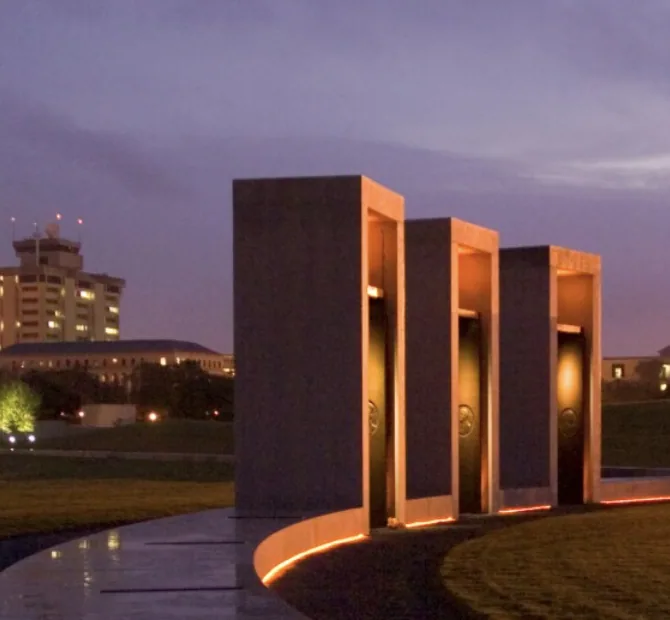
Bryan Business Park
Manufacturing and food production at Bryan Business Park put different demands on each roof area: equipment clearances, delivery access, and production schedules can all change the inspection window. We begin with the building use and available condition history, then record the assembly, drains, penetrations, and perimeter details that shape the next decision. The park sits southeast of FM 2818 and Mumford Road, within Bryan’s broader industrial base. That setting helps coordinate a regional visit, while the property’s own plans and roof observations define the work.
Commercial roofs here may need a targeted repair, a moisture review, or a capital plan that accounts for more than one operating area. We document what is visible, connect each photograph to a roof zone, and separate immediate protection from work that needs design or testing. A commercial roof inspection can establish that baseline before a manager compares repair timing, production interruptions, or longer-term replacement needs.
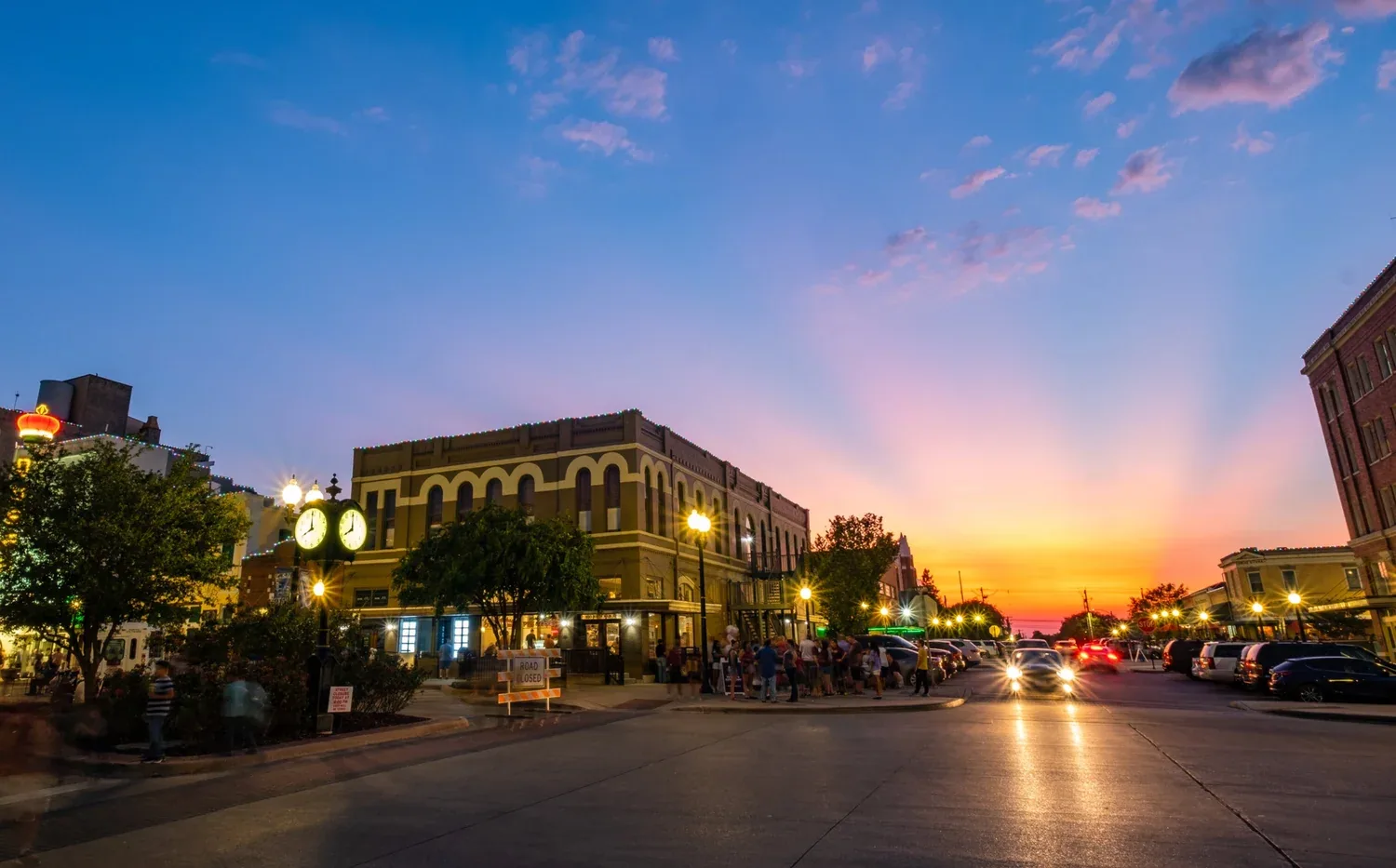
Map the work to production
A facility contact can help identify shift changes, loading periods, equipment that must remain available, and routes used by staff or deliveries. We use those details to choose where to stage and which roof sections to inspect first. When a building has multiple additions or equipment generations, roof transitions deserve separate labels; a condition on one section should not be carried into a different assembly without checking it.
Bryan Business Park was established in 1985, and the city describes more than 200 acres there as serving manufacturers and food and beverage businesses. Another 200 acres across Mumford Road is available for development. That broad property mix can involve different owners, tenants, and building plans, so a portfolio record should keep the site contact, access limits, and roof history attached to each individual property.
Trace water through each assembly
For a leak report, we note when it appeared, which interior area is affected, and whether prior repairs changed the roof nearby. On the surface, the review follows seams, flashings, equipment curbs, penetrations, and wall transitions before settling on a repair boundary. Water can move beneath a membrane or across a deck, so the interior mark guides the search but does not alone locate the entry point. Photographs show both the detail and its position within the roof zone.
Drain performance is recorded alongside the reported symptom. We note visible debris, outlet condition, ponding history, and nearby membrane or flashing changes. If water remains after the outlet is clear, the question may involve slope or assembly condition and needs a different scope than routine cleaning. A drain and scupper review can document the accessible details, while a roof condition report keeps findings organized for the property team.
Use regional exposure in the review
The Bryan and College Station area recorded hail from one inch to two and three-quarter inches during the April 8, 2021 severe storm. A reported event can focus attention on exposed roof zones, edge metal, rooftop units, and penetrations, but a work decision follows the condition observed at the property. We document the area reviewed and distinguish visible marks from questions that need closer testing. That record helps the owner decide whether to protect an opening, investigate further, or include a repair in planned work.
For this market, July heat can narrow the comfortable window for roof access. Long-term College Station normals approach 97°F near month’s end. Place inspections and installation tasks around safe conditions and property hours, recording what the crew encounters that day rather than treating averages as a diagnosis. For Bryan and College Station owners, a separate Bryan property review can use a consistent record format without combining building findings.
Compare repair and replacement paths
A repair candidate is strongest when the defect can be located and the surrounding material remains suitable to retain. We describe the affected section, repair limits, and any open question that could change the recommendation. If recurring water or deterioration crosses several roof zones, the owner may need to compare a broader restoration or replacement scope. That comparison should account for removal, insulation, attachment, drainage, edge details, equipment transitions, and the sequence needed to keep operations moving.
Metal panels and single-ply membranes use different seams and termination details. A standing seam roof system has its own panel interfaces, while a TPO assembly depends on compatible membrane seams and flashings. When the existing system cannot support a practical repair, commercial replacement planning can define work zones, temporary protection, and closeout points for a budget review.
Keep access clear during the sequence
Before mobilization, we agree on the active work area, lift or ladder access, staging limits, and the person who can approve a field adjustment. A production building may need a loading route kept open while another roof zone is under repair. The manager can identify equipment clearances and interior areas that need protection, then coordinate notices with affected staff or tenants. If a change is needed, we document its effect on the open area and the schedule before moving the crew.
Closeout should identify which roof sections were completed, what was tested or observed, and any item left for follow-up. A marked roof plan helps the next reviewer connect a later water report with the repair history. A phased occupied-building reroof can organize demolition and installation by area when the project scope supports that approach. Each phase needs its own temporary conditions, access expectations, and handoff.
Keep the wider industrial setting in view
Bryan’s industrial property includes Bryan Business Park and the Brazos County Industrial Park, with FM 2818 connecting commercial and residential uses across the urban area. The roadway context can help an owner plan visits between properties, but it does not establish that neighboring roofs share the same assembly or condition. A separate Brazos County Industrial Park roof review should therefore retain its own site plan, access notes, and maintenance record.
For a property manager, the useful comparison is between observed conditions, repair history, and the operating calendar for each building. Keep equipment changes, leak dates, prior scopes, and access restrictions with the location where they apply. If a roof zone cannot be reached during the first visit, state the next access step rather than treating it as inspected. This gives a capital team a practical sequence for follow-up without mixing separate properties into one condition statement.
Share available roof plans, recent repair records, production limits, and the timing under consideration. We can review the building, document what the roof shows, and prepare repair or replacement options that fit its use.
Commercial Roofing Questions
What should a Bryan Business Park manager prepare for the first visit?
A marked roof plan, prior repair notes, leak locations and dates, equipment access limits, and the site contact help us set a focused inspection window. We confirm loading and production periods before selecting the route.
How do you keep a roof repair from interrupting deliveries?
We identify the loading path and any time-sensitive movement with the property contact, then place staging and active work outside the agreed clear route. If the roof condition requires a temporary change, the manager receives a defined area and timing.
When does a localized leak need a wider review?
A second report near another penetration, recurring wet insulation, or a pattern across separate roof sections can change the boundary. We connect each finding to a location and explain what additional access or moisture testing would clarify.
Can a building in the park be repaired without replacing the full roof?
Yes, when the defect is isolated and the surrounding assembly remains suitable. We document the repair limits and note conditions that could make a recover or replacement comparison more useful.
What belongs in the project closeout?
The record should identify completed zones, photographs, materials or details addressed, access limits, and any follow-up item. A labeled plan lets the facilities team connect the handoff with future maintenance.
Plan a Bryan Business Park roof review
Share the roof history, access requirements, production calendar, and capital timing. We can review the property, document its condition, and outline practical next steps.
Related Roofing Work
Request a Roof Assessment
Tell us about the building, the roof and what you are seeing. We look at leaks, storm and wind damage, aging membranes and planned replacements on commercial properties across College Station, Bryan and Brazos County.