
Commercial Roofing in Providence Park, College Station, TX
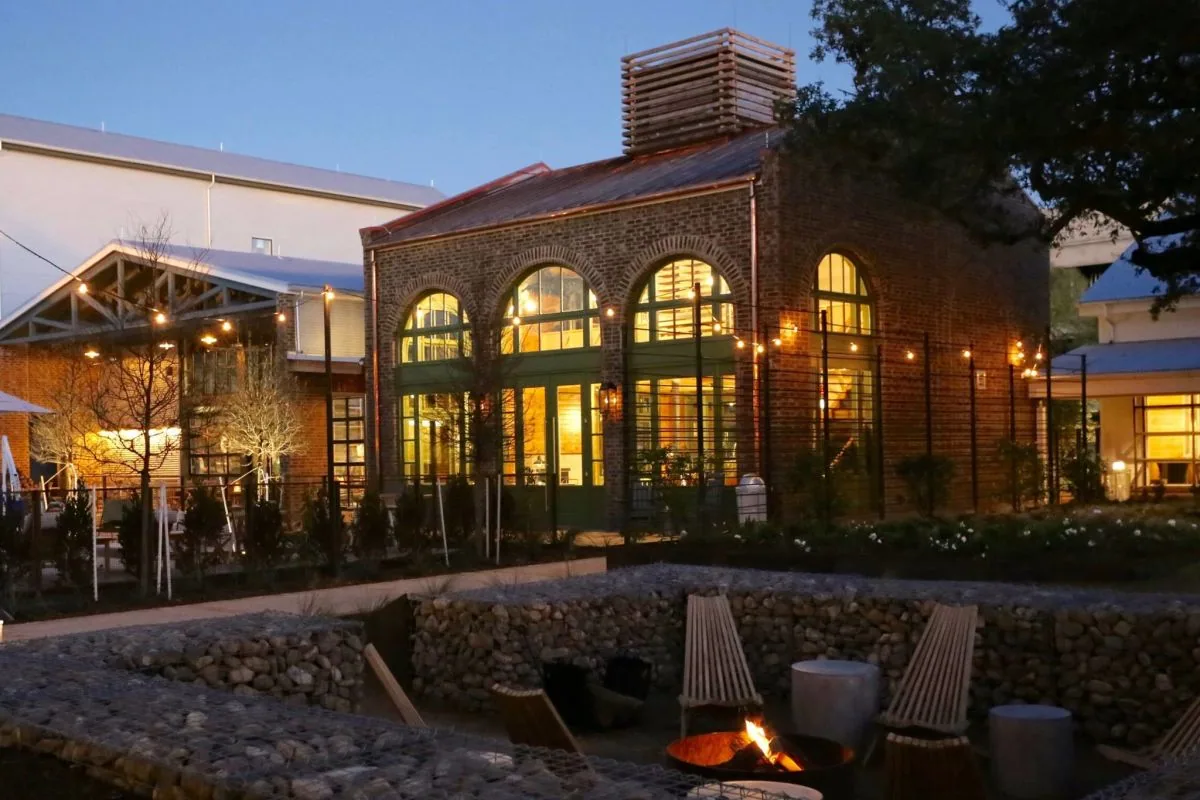
Providence Park
Office, technology, research, and industrial operations call for different roof access plans, even within one business district. Providence Park in College Station, TX was planned as a 54-acre employment area along Highway 6, with intended users spanning those building types. We begin with the property’s actual roof assembly, occupied hours, equipment access, and service history. That gives the manager a field review shaped by the work taking place below the roof, rather than by assumptions about what every parcel or building contains.
Fit roof work to the property’s use
The park’s planning documents identify office, technology, research, and industrial businesses as intended users, while direct transportation access and a nearby research and workforce base contribute to its site appeal. Those facts describe the district, not any individual roof. A roof serving a quiet office area can have different access and communication needs from one above active equipment or industrial operations. We confirm site contacts, work hours, loading restrictions, and any controlled access before selecting an inspection window.
Highway 6 access can make coordination between nearby properties practical, but each building needs its own assembly notes and scope boundary. We ask for roof plans, previous repair records, leak locations, and equipment changes before the first walk. On site, the review follows visible membrane seams, penetrations, edge details, drains, and transitions around rooftop units. A commercial roof inspection can establish what is visible and identify whether further testing or repair planning belongs in the next step.
Record the roof area and its details
We organize the field review by roof area so a manager can tell where a condition sits and what surrounds it. Photographs pair a close view with enough context to relocate the detail later. We note accessible seams, laps, flashing, curbs, service penetrations, roof-to-wall transitions, drains, scuppers, and perimeter metal. If the roof has several additions or changes in elevation, each transition receives its own note rather than being grouped under one broad label.
Some issues need a repair candidate marked for follow-up; others may point toward drainage maintenance, moisture evaluation, or a larger assembly question. We separate what we observed from what the available plans or service tickets say. If a report is tied to an interior symptom, we record the room and date supplied by the building contact, then compare that information with nearby roof details. A photo-supported condition report can preserve the locations and next actions for the operating team.
Schedule around College Station heat
College Station’s July climate normals place the month’s mean daily high at 95.4°F, with normal highs reaching 97°F toward its close. That is useful context when an asset manager selects a rooftop inspection window or plans work over heat-sensitive operations. The field condition still controls the recommendation. We coordinate access, surface work, and any equipment shutdown with the property contact, then record the inspection date so future photographs can be compared with a known baseline.
During a first walk, we look for seam movement, surface wear, flashing condition, open penetrations, debris at drains, and edge attachment that needs closer review. Heat exposure can make maintenance timing relevant, but it does not tell us which component has failed. We check the assembly, repair history, and any moisture indicators before recommending patching, broader restoration, or replacement. When water management is a concern, a focused drain and scupper review can distinguish a service task from a wider drainage issue.
Compare repair and renewal options
A localized repair may fit when the defect is bounded and adjacent materials remain serviceable. A wider restoration or replacement review may be appropriate when moisture, recurring failures, attachment, deck condition, or prior layers alter the scope. We describe the basis for each option and note what remains unknown until testing or opening work is authorized. That lets an owner compare the immediate repair candidate with a longer capital decision without treating one visible defect as a diagnosis of the entire roof.
Access and staging can affect both cost and timing. Roof height, equipment routes, material handling, temporary protection, curb changes, drainage corrections, and the work zone over occupied areas all shape a proposal. We identify those assumptions early and coordinate with operations before the sequence is set. A property team can compare a roof restoration assessment with a replacement scope when field findings support both paths, then carry the selected work into its capital cycle.
Keep operations in the work sequence
Research and technology uses may require planned equipment access, escorts, or notice to people working below the roof. Industrial operations may need staging kept clear of service routes or specific hours reserved for loading. We confirm these constraints with the property contact instead of assuming the business category tells us how a building runs. A phased sequence can define work zones, daily access paths, temporary tie-ins, and the point at which a concealed condition is reviewed with the owner.
Where a property is occupied during repairs, we identify noisy tasks, lift locations, and interior spaces that may need protection. If weather changes the daily sequence, the team needs a clear contact for adjusting the open area and securing temporary work. Emergency roof response is available day and night throughout the week, including holidays; after immediate protection, we document the permanent repair boundary and add it to the service history. For a site with multiple buildings, a coordinated roof program can track separate records and access windows.
Leave the next decision in the record
At closeout, we record the areas reviewed, photographs, work completed, open items, and any access limits. The property manager can keep that information with plans, service tickets, and equipment changes, then use it to prepare the next inspection window. If a condition was deferred, we state what should bring it back for review. That way a future recommendation can be compared with the actual roof history rather than a general memory of a prior visit.
We coordinate Providence Park work with the local property team and can also schedule a separate College Station roof review or Bryan property review for nearby assets. Share the available plans, occupied hours, equipment-access needs, repair history, and capital timing. We can map the field visit and return a clear sequence for maintenance, repair, or broader roof work.
Commercial Roofing Questions
Which commercial properties do you review in Providence Park?
The district is planned for office, technology, research, and industrial users. We review the property identified by the owner and tailor roof access and reporting to its actual use, assembly, equipment, and operating schedule.
Does the business park’s location determine the roof system?
No. Highway 6 access and the district’s intended uses do not establish what roof assembly a building has. We confirm visible conditions and compare them with plans or repair records before discussing a scope.
How does July heat affect a roof visit?
College Station’s July normals show a mean daily high of 95.4°F. We use that context to plan rooftop access and discuss work timing, while the recommendation follows the observed condition at the property.
Can roof repairs be coordinated around research or production hours?
We confirm access, occupied hours, equipment needs, and staging with the property contact. The work sequence can then identify roof zones, temporary protection, and review points that fit the building’s operating calendar.
What information helps prepare the inspection?
Roof plans, previous repair notes, reported leak locations, equipment-access needs, and the preferred site contact help us focus the field review. We record areas that could not be reached so they remain visible as follow-up items.
Plan a Providence Park roof review
Share roof plans, condition history, occupied hours, equipment-access needs, and capital timing. We can coordinate a field review and document the next roof decision by area.
Related Roofing Work
Request a Roof Assessment
Tell us about the building, the roof and what you are seeing. We look at leaks, storm and wind damage, aging membranes and planned replacements on commercial properties across College Station, Bryan and Brazos County.