
Commercial Roofing in SH 21 East Bryan Corridor, Bryan, TX
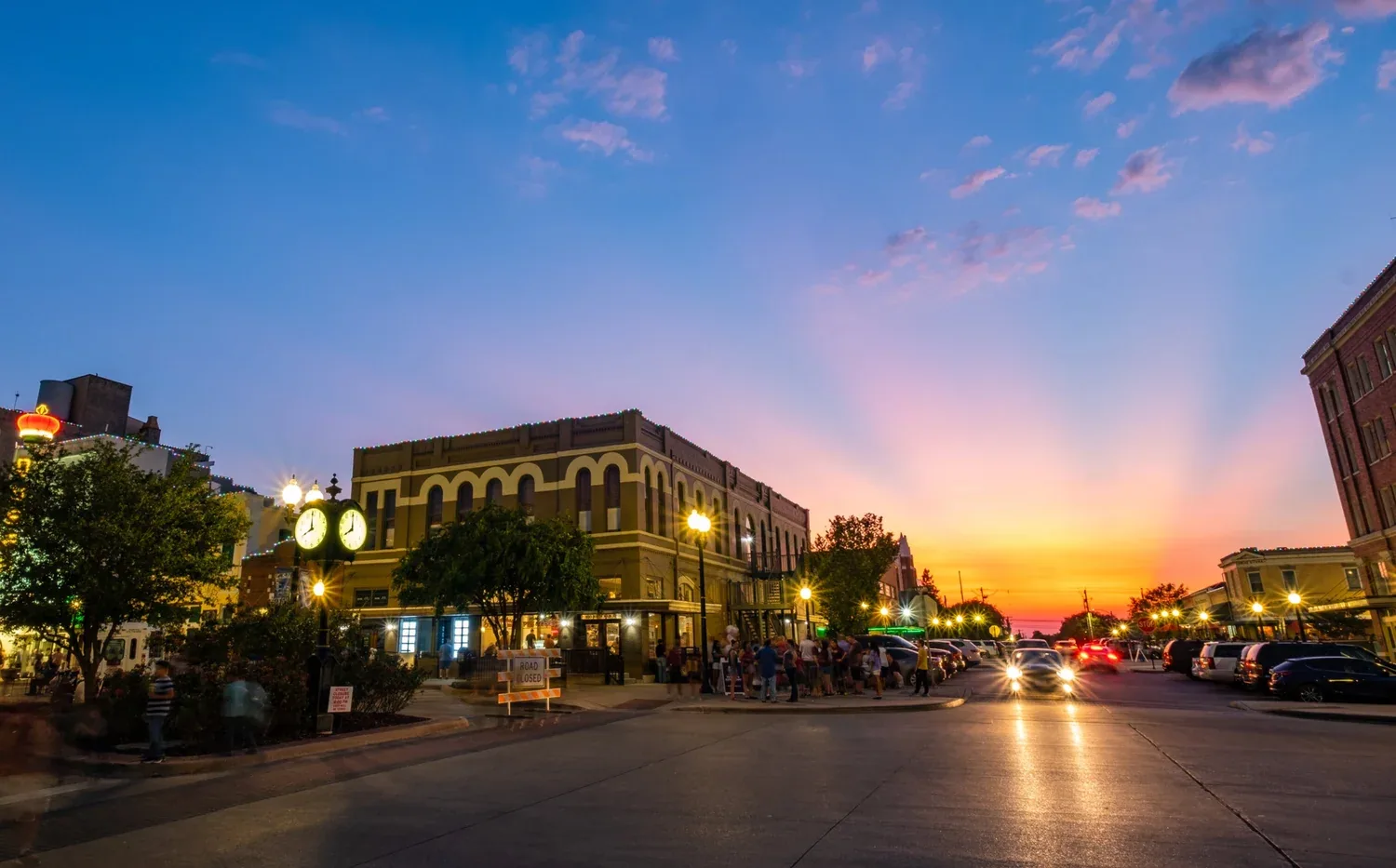
SH 21 East Bryan Corridor
Commercial properties along SH 21 in east Bryan need roof planning that accounts for access, service traffic, and the building’s own operating demands. The highway runs east to west through Bryan, connects with I-45 at Madisonville, and continues toward the Austin area. Bryan also identifies commercial and industrial development opportunities along or near SH 21. Those regional connections help set the location context; the roof assembly and field condition still determine the work.
We start by confirming the property contact, roof access, service routes, equipment needs, and hours that limit noisy or obstructive activity. The first walk records seams, penetrations, flashing, drainage, edge attachment, and rooftop supports, with photos tied to a marked area. A commercial roof inspection gives the owner a baseline for repairs or capital planning. A separate Bryan roof review can document another building without combining its findings with this corridor property.
Plan roof access with the site route
A highway-adjacent location can make the delivery and staging plan important. We confirm how trucks or lifts enter the property, where materials can be placed, and whether any service lane has to remain open. These details affect crew arrival, debris removal, and the safe path to the roof. We identify the person who can approve a route change if daily operations differ from the plan.
The route’s broader role does not imply that every site has the same use. We verify the building’s function, occupied areas, equipment dependencies, and access restrictions during intake. If other work is underway, the sequence notes which contractor controls each roof-to-wall, curb, or edge detail. An occupied-site reroof plan can divide the work into sections and show how temporary tie-ins protect the assembly between shifts. For portfolio files, a multi-property roof program can use common report fields while preserving each location’s condition history.
Before mobilization, we also check whether the planned work needs a lift, special material handling, or interior coordination. The work area, roof opening, and daily completion point should be clear to the property contact. That makes it easier to manage interruptions and hand off the site at the end of a shift. Where operating traffic is time-sensitive, we can schedule the most disruptive task for an agreed window and document any remaining work for the next visit.
Keep corridor plans separate from roof evidence
The future I-14 Central Texas corridor follows US 190 through Bryan and College Station, and its route remains under study. That transportation planning context may matter to long-range property decisions, but it does not establish construction timing at an individual site. We focus the roofing review on present conditions: membrane seams, flashing transitions, penetrations, drains, edge metal, and equipment supports. The report identifies the work that can be scheduled now and separates it from any future site planning.
Development opportunities along SH 21 can also mean owners are managing current operations and future property changes at once. If equipment, roof penetrations, or tenant layouts are expected to change, we record those dependencies before recommending replacement or a coating system. A roof capital review can connect condition findings with planned timing. The Bryan Business Park review can address a different property area under its own access conditions.
For each roof, we map water entry reports to the likely roof details. Water can travel before it becomes visible indoors, so a ceiling stain does not by itself locate the opening. We compare the room, date, and weather report with nearby seams, drains, curbs, and wall transitions. A commercial leak repair can then identify the confirmed detail and explain whether more testing is needed to set a dependable repair boundary.
Use weather data for timing and review
Across the 1991 to 2020 July record, College Station’s average daily maximum is 95.4°F; the normal shifts from 94°F at the month’s start to 97°F at its end. The values belong to College Station, but they provide market-level context for planning exposed roof access on a Bryan property. We agree on a safe inspection window with the site contact and record the condition actually observed at seams, flashing, insulation, and rooftop equipment.
Hail reports from the April 8, 2021 severe storm in Bryan and College Station reached as high as 2.75 inches. For a property review, we map the roof section named by the owner and record visible marks or edge movement, checking penetrations and curb flashing where they meet the reported area. A post-storm roof assessment can organize field observations, temporary protection, and follow-up testing in the affected area.
Emergency roof response is available at any hour, including weekends and holidays. If water is entering, we coordinate safe access and temporary protection with the authorized contact, then document what remains for permanent repair. The roof opening, protective measure, and access assumptions all belong in the service record. That handoff lets the owner track the immediate response and the follow-up scope as separate but connected actions.
Size the repair to the roof condition
A localized seam separation or flashing failure may be repairable if the surrounding membrane and attachment remain sound. Repeated leaks, widespread moisture, failed edge attachment, or deterioration at multiple transitions can support a broader project. We describe the observations behind the recommendation and identify any test needed before the work boundary is final. That gives the owner a basis for comparing a repair with restoration or replacement.
Timing and cost can change with lift access, staging, tear-off, insulation replacement, deck repairs, equipment disconnection, drain work, protection below, and trade coordination. We separate confirmed work from allowances for concealed conditions. A replacement scope can set out removal, assembly layers, flashing, drainage, and phasing. A restoration assessment can determine whether the existing surface and details are suitable for renewal.
The adopted College Station codes effective in 2026 include updated building and energy requirements, with commercial and multifamily energy designs requiring a compliance report. When a project is in Bryan, we confirm the applicable local review and project details during scope development rather than applying another city’s requirements by assumption. The roof file can list design questions for the project team before ordering materials or setting the construction window.
Leave a clear record for the next decision
We close the visit with roof areas reviewed, photographs, repairs completed, open items, and areas that access limits prevented us from checking. A deferred item includes the reason for waiting and the condition that should trigger another review. If the owner is planning a larger project, we identify what testing, design work, or coordination remains before the scope can be priced and scheduled.
A portfolio may include the SH 21 corridor, Bryan, and College Station, but each building needs its own report and access plan. A separate College Station roof inspection can use consistent fields while retaining its own assembly notes. Share roof plans, leak locations, prior repair records, operating hours, and equipment-access requirements. We can document the east Bryan property and return a sequence suited to its current roof condition.
Commercial Roofing Questions
What does SH 21’s regional role change about a roof project?
It can affect how a property plans deliveries, staging, and route access. We confirm the specific site’s entry and operating rules before setting the crew sequence.
Is the proposed I-14 route a construction schedule for this corridor?
No. The route remains in study. We use current roof conditions and confirmed project timing to prepare a scope for an individual Bryan property.
Can roof work happen while a property stays open?
We coordinate work zones, access, noisy tasks, and temporary protection with the site contact. The sequence identifies which areas remain available and where a pause could be needed.
What does a post-storm roof review include?
We photograph visible conditions, inspect edges and penetrations, and note whether moisture testing or temporary protection is appropriate. The report ties each finding to a roof location.
When is a repair no longer the best scope?
Several recurring defects, broad moisture, or attachment concerns can point toward restoration or replacement. We show the evidence and unresolved questions before the owner commits to that broader work.
Arrange an east Bryan roof review
Provide roof plans, repair history, access details, operating hours, and project timing. We can inspect the property and prepare a condition-based repair or renewal sequence.
Related Roofing Work
Request a Roof Assessment
Tell us about the building, the roof and what you are seeing. We look at leaks, storm and wind damage, aging membranes and planned replacements on commercial properties across College Station, Bryan and Brazos County.