
Commercial Roofing in SH 6 Bryan College Station Corridor, College Station, TX
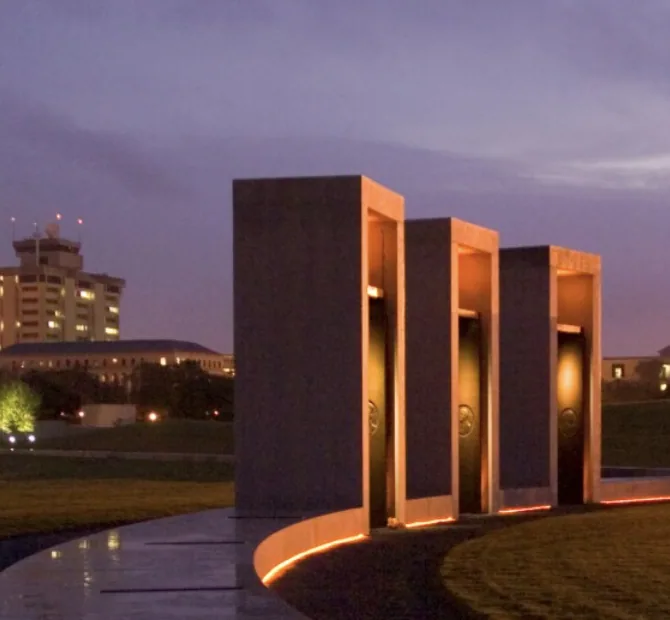
SH 6 Bryan College Station Corridor
The SH 6 corridor connects commercial areas in Bryan and College Station, so a portfolio plan may span properties with different uses, access rules, and roof histories. SH 6 runs north and south, linking Bryan with I-35 near Waco and US 290 northwest of Houston. We plan each roof review around the property’s operating calendar and condition rather than treating the route as a single building type. The corridor helps explain regional access; an on-site inspection determines which roof work is appropriate.
Bryan’s industrial districts and College Station’s innovation parks are among the commercial areas served by this highway. Providence Park fronts Highway 6 and is planned for office, technology, research, and industrial users. Those broad business contexts may affect equipment access or work windows, but each property requires its own assembly review. We can start with a commercial roof inspection and keep its results in a location-specific record. A separate Bryan roof review can cover another property under its own operating conditions.
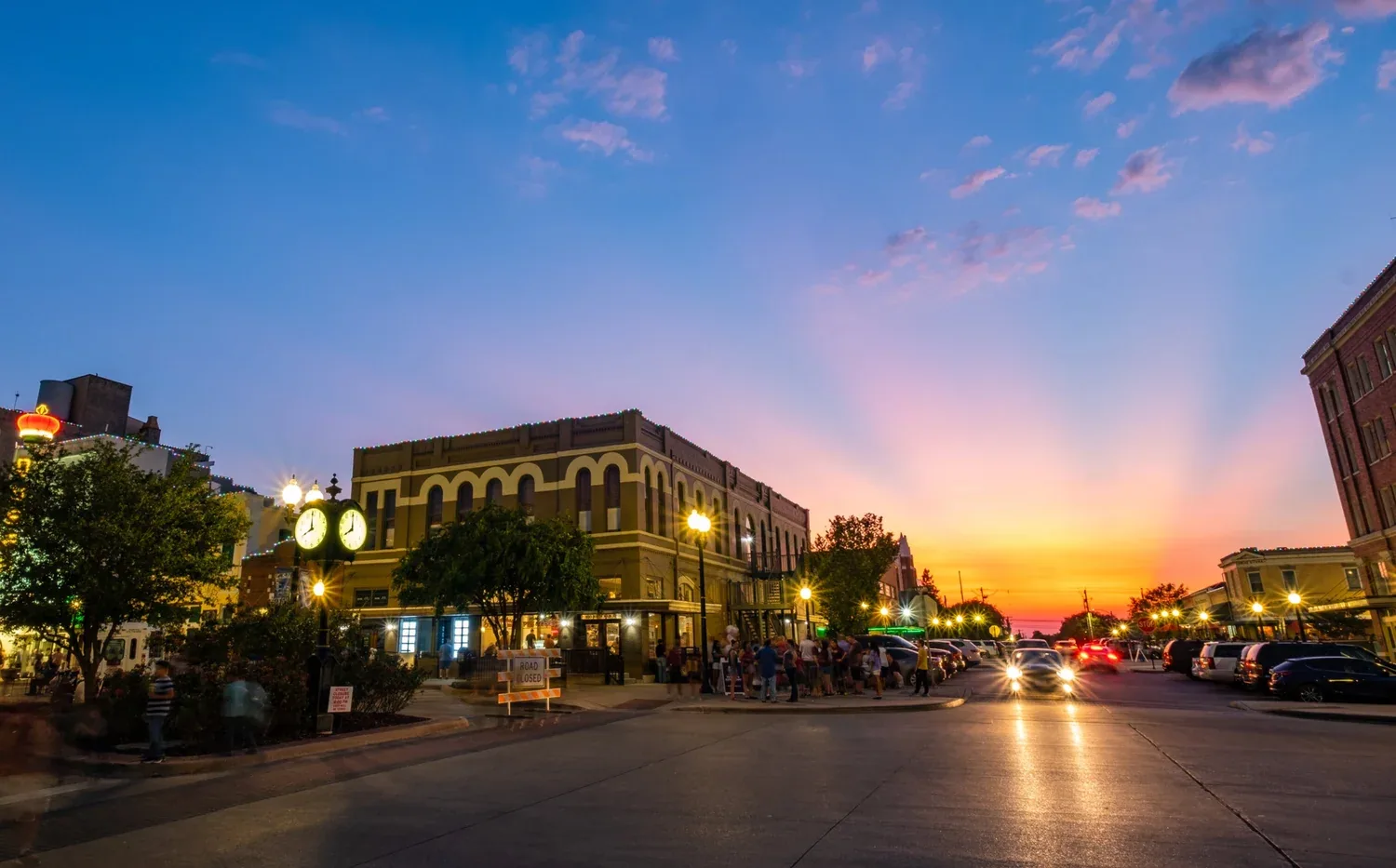
Keep corridor properties distinct
A regional owner may use one maintenance calendar for Bryan and College Station, while each building still needs a separate roof file. We record roof sections, assembly details, access points, leak reports, prior repairs, and the contact who can arrange entry. The files can share labels for comparison, but photographs and recommendations remain tied to the individual property. That gives asset managers a portfolio view without turning one site’s condition into a conclusion about another.
When several buildings share an operating team, we can coordinate inspection windows and material deliveries to reduce repeat mobilization. The schedule should still identify which roof is being inspected, what equipment is present, and which areas require a site escort or interior coordination. A multi-property roof program can make condition reporting consistent, while the recommendation for each building remains based on its own seams, flashing, drainage, attachment, and moisture findings.
SH 6 also connects to distinct development contexts. The Bryan business areas and College Station innovation parks are commercial settings along the route, not evidence of an identical roof assembly. We confirm system type from field conditions or available plans before selecting repair materials. A Bryan Business Park review and a separate Providence Park roof review can use compatible reports while retaining their own access and condition histories.
Inspect the details that carry the load
On the roof, we inspect membrane seams, prior patches, penetrations, equipment curbs, wall transitions, edge metal, drains, and scuppers. We note movement, open laps, deteriorated sealant, loose attachment, ponding, and signs of water entry. Photos include the detail and surrounding roof surface so another reviewer can locate it. If a roof has several sections, each receives a label on a plan or aerial rather than a general description such as “north side.”
An interior leak report helps narrow the search, but water may travel across the assembly before appearing in a room. We compare the reported area with roof penetrations, seams, drains, and transitions above it. Where evidence remains incomplete, we recommend a targeted moisture survey or controlled opening and explain what result would change the repair boundary. A moisture survey can help identify areas for verification, while leak repair addresses a confirmed opening with a defined tie-in.
Drainage should be recorded separately from membrane condition. A clear outlet may still sit within a low area or a slope problem, while debris can restrict a drain even when nearby seams are intact. We check drain bodies, strainers, scupper openings, and adjacent flashing, then distinguish maintenance from corrective work. A drainage service visit can restore function at a confirmed blockage or damaged detail.
Set roof work against summer heat
College Station’s July normals put the average daily high at 95.4°F, with typical highs from 94°F early in the month to 97°F near the end. Those readings belong to College Station, but they inform regional planning for exposed work along the corridor. We coordinate a practical inspection window and consider the actual surface, shade, roof access, and work duration. The numbers are context for scheduling; they do not tell us whether a particular membrane has failed.
Hail has been recorded in the Bryan and College Station area as well. After a property reports a nearby storm, we inspect the roof identified by the owner, document visible conditions, and look at penetrations, edges, equipment supports, and metal details. We note whether a mark appears limited to a surface or whether more inspection is needed. A storm-related roof review can connect temporary protection with permanent scope planning.
Emergency roof response is available around the clock, weekends and holidays included. For active water entry, we first coordinate access and temporary protection with the person responsible for the building. The service record identifies the protected area and any follow-up that remains. Once the assembly can be assessed, we prepare the lasting repair scope and document any concealed condition that affects the work.
Choose a sequence the portfolio can use
A roof recommendation should identify the decision point, not just list defects. We explain whether a localized repair can preserve service, whether moisture or attachment findings require more investigation, or whether several conditions support a broader capital project. If the existing assembly may be suitable for renewal, a restoration assessment can evaluate the surface, drainage, flashing, and compatibility before that option moves forward.
Cost and schedule depend on access, staging, removal depth, insulation or deck work, drain corrections, curb transitions, equipment coordination, and protection below. We identify the work we can confirm and keep allowances for concealed conditions separate. When replacement is the supported path, a replacement plan can describe assembly layers, edges, transitions, phasing, and closeout records. A capital review can connect that scope to the timing of other properties along the Bryan College Station route.
For an occupied building, the sequence must also state which areas can remain in use and which activities require advance notice. We map work zones, temporary tie-ins, material movement, and daily handoffs. If roof work depends on another trade or an equipment shutdown, that dependency should appear before the project is priced. A phased occupied reroof can set those steps out section by section.
Make the condition history portable
At the end of a visit, the property team should have locations reviewed, photos, completed work, outstanding questions, and access limits. A deferred repair includes the reason for waiting and a trigger for reconsideration. If testing is recommended, we state what it will confirm and who can approve the next step. Those details let another manager continue the work without relying on an undocumented conversation.
A consistent format can support sites from Bryan through College Station without combining their records. A separate College Station roof inspection can use the same asset labels while capturing its own operating needs. Share roof plans, repair invoices, leak dates, occupied hours, equipment access, and the capital calendar. We can document a corridor property and prepare a sequence that fits its current condition and business use.
Commercial Roofing Questions
Can you coordinate roof reviews across Bryan and College Station?
We can schedule site visits within a shared portfolio calendar. Each building receives its own plan, photographs, access notes, and condition recommendation.
Does SH 6 mean properties have similar roof systems?
No. The route connects different commercial areas, but an inspection or available roof plan establishes each property’s assembly. We select repair methods from that evidence.
What should a roof report include for multiple sites?
It should identify the building, roof section, observation, photo, completed action, and open question. We keep access assumptions and follow-up needs with each location’s record.
How do you handle a report of storm damage?
We inspect the property identified by the owner, document visible conditions, and note where further testing is needed. Temporary protection and permanent repair are recorded as separate steps.
Which records help with a replacement decision?
Roof plans, leak history, repair invoices, moisture findings, access limits, and timing for other capital work help compare the available paths. We tie the recommendation to the roof evidence.
Coordinate an SH 6 corridor roof review
Share roof records, operating calendars, access requirements, leak history, and capital timing. We can inspect each property and return a separate, coordinated work sequence.
Related Roofing Work
Request a Roof Assessment
Tell us about the building, the roof and what you are seeing. We look at leaks, storm and wind damage, aging membranes and planned replacements on commercial properties across College Station, Bryan and Brazos County.