
Commercial Roofing in Villa Maria Road Corridor, Bryan, TX
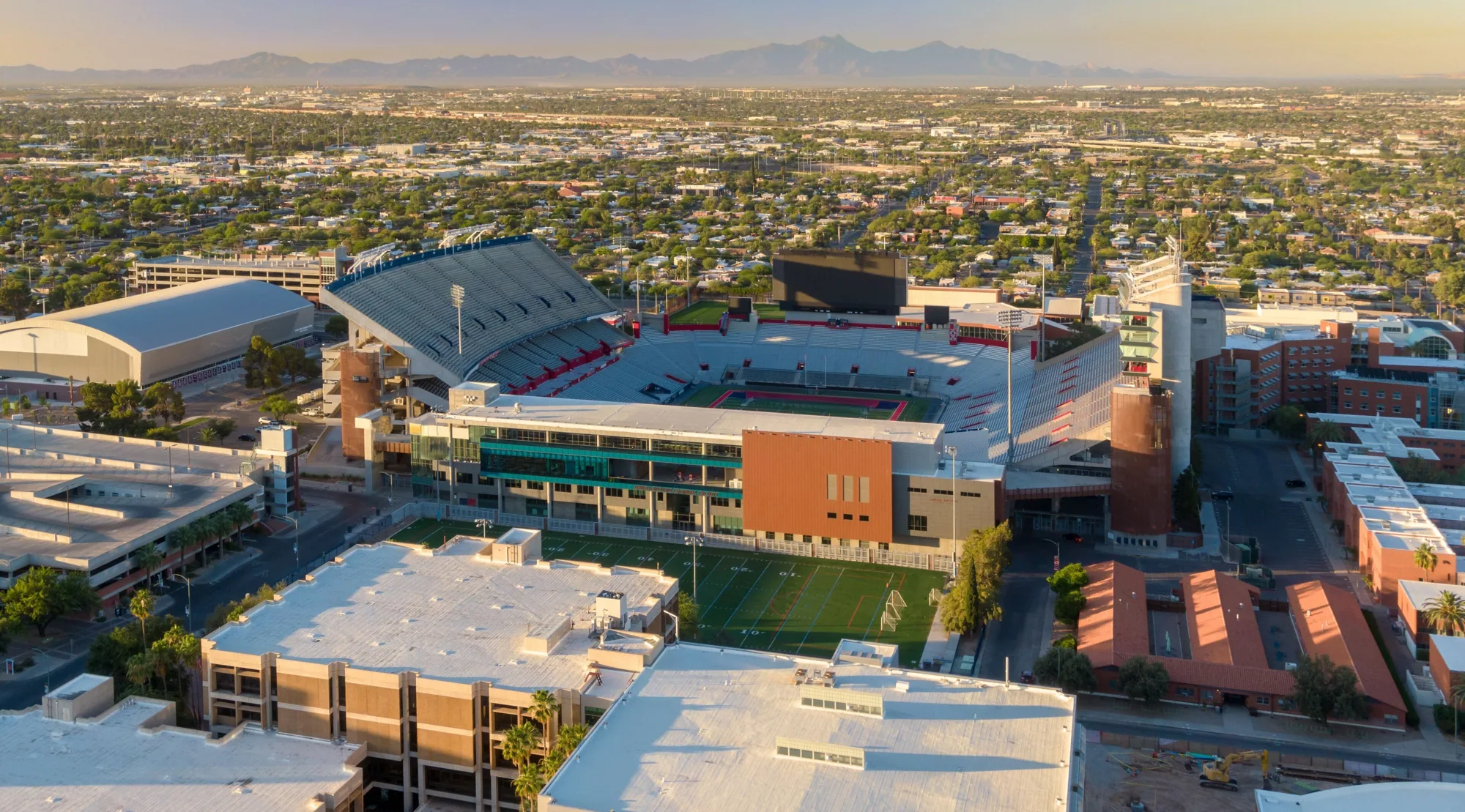
Villa Maria Road Corridor
Commercial roof work along Villa Maria Road can intersect with exterior improvements and active property use, so the first question is how the building operates during the visit. Bryan’s corridor program includes a portion of Villa Maria Road within Midtown and targets commercial and retail property owners for exterior improvements. We use that context to coordinate timing, then inspect the roof assembly itself before describing repair or renewal options. The program does not identify any individual property’s roof condition.
City development reviews also document commercial and multifamily projects along both East and West Villa Maria Road. That mix makes access planning specific to each site: entrances, delivery areas, occupied hours, and roof access may differ from one property to the next. We record those details with the inspection findings. A roof inspection can provide a clear baseline, while a separate Bryan Midtown roof review can track another building without merging its condition history.
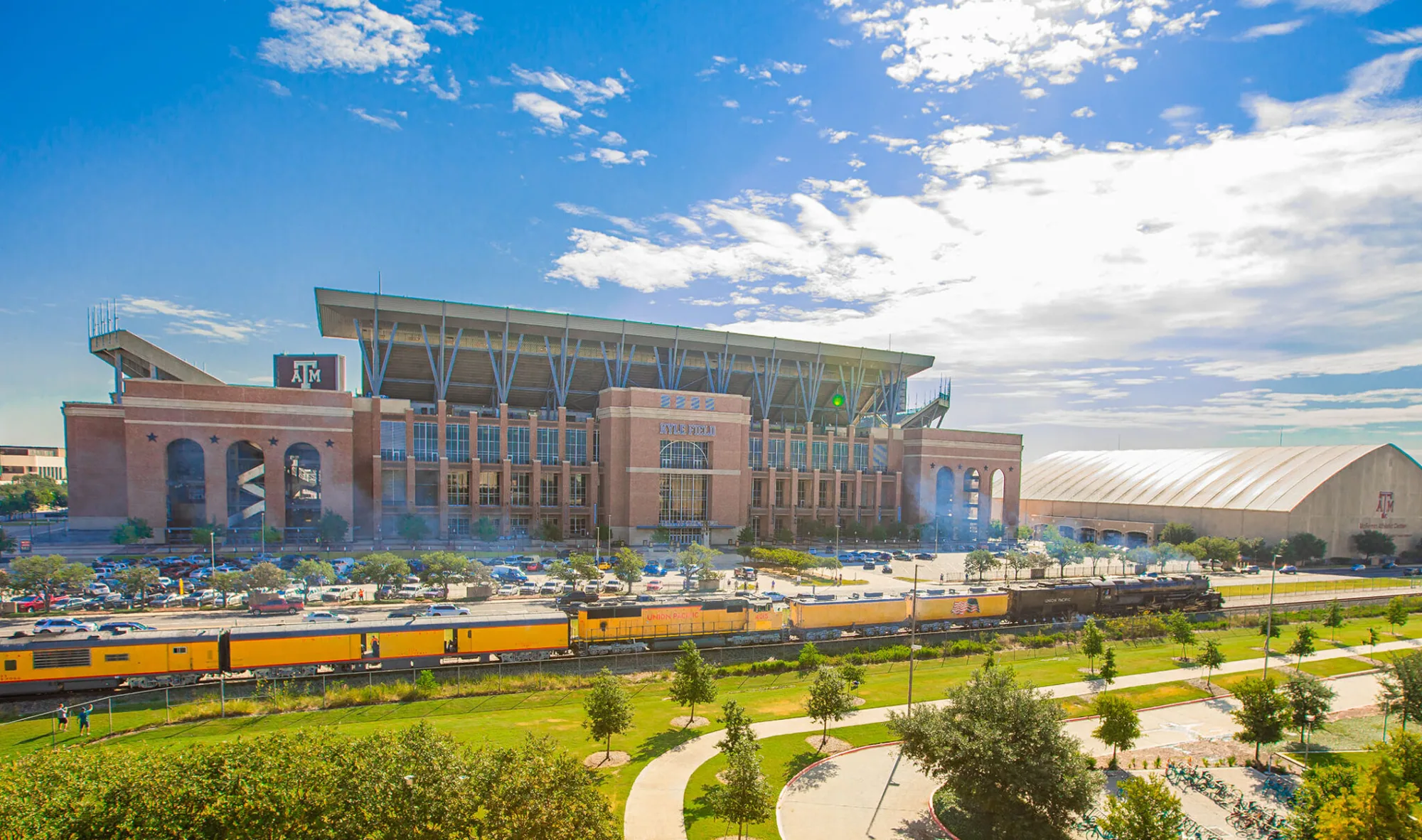
Coordinate roof and exterior work
An exterior improvement can affect the roof edge, wall transition, downspout, parapet, or equipment screen. Before either trade begins, we note where the roofing scope meets the exterior work and identify the sequence needed to keep water moving off the assembly. The site contact can confirm which contractor controls each detail and when those surfaces will be ready. That prevents a new coating, flashing, or edge component from being closed against work that remains incomplete.
We mark proposed work areas on a plan or aerial and record the conditions that must be resolved before installation. If the roof edge is being altered, the scope should say how membrane termination, metal attachment, and drainage will be handled. When a wall finish or entrance is part of a separate project, temporary protection and trade access should be planned together. A roof-edge and coping repair can address confirmed edge conditions, while a drainage correction can restore flow at an outlet or scupper.
The city’s corridor improvements are an exterior planning context, not a substitute for a roof review. We verify the actual materials and transitions on the building, then explain which details belong in the roofing contract and which require coordination with another trade. Photos show each interface before work and after closeout. The property manager can then reconcile the roof record with the broader project schedule and retain one clear account of completed details.
Inspect details that control water
At the first walk, we follow the water path from roof field to drain and perimeter. The check includes membrane seams, patches, penetrations, curb flashings, wall transitions, scuppers, edge metal, and supports for rooftop equipment. We look for open laps, unsupported flashing, brittle sealant, displaced metal, debris, and areas where water appears to remain after rainfall. Every observation is tied to a roof area and photographed with enough context to locate it again.
A leak report can narrow the search but may not identify the opening. Water can move beneath the surface before it appears in a room, so we compare the reported location with penetrations, transitions, and drainage nearby. If a source remains uncertain, the report can recommend moisture testing or a controlled opening. A commercial leak repair should state which detail is being corrected and how the surrounding material will be tied in.
Where roof access is restricted, we identify which areas were visible and which could not be inspected. A drone view can help document geometry or perimeter conditions, while infrared survey results may indicate where moisture verification is useful. The readings still need to be interpreted with the roof assembly and field observations. A drone roof survey or infrared moisture survey can support the record when the building’s layout or access limits make another view useful.
Plan for heat and storm exposure
College Station’s July climate normals show a mean daily high of 95.4°F, rising from a normal 94°F at the beginning of July to 97°F near month-end. Those figures describe the market city, but they provide useful context when setting summer roof access in Bryan. We set a roof-access time with the site lead, then check seam condition, flashing integrity, support points, and drainage across the accessible areas. Heat context informs scheduling; the roof walk establishes what work is supported.
Hail has also been recorded across Bryan and College Station. When a property requests a post-storm review, we photograph visible marks and check edges, penetrations, curbs, and metal details for movement or openings. We record what is visible, identify any area that warrants moisture testing, and set temporary protection if water entry is active. A storm repair assessment can organize those steps around the affected building.
Emergency roof response is available around the clock, including holidays. We first coordinate safe access and protection for an active opening, then return to define the permanent work after the area can be reviewed. A temporary cover should be documented separately from the lasting repair. The record notes the materials used, the location protected, and any follow-up needed before the property team treats the issue as closed.
Choose the work that fits the evidence
A localized split or failed transition may be repairable when nearby material remains stable. Multiple leaks, widespread moisture, weak attachment, or repeated failures at several details can change the scope. We explain which finding supports each option and what additional test could resolve uncertainty. If the roof remains a repair candidate, the work description identifies the seam, curb, drain, or edge area being corrected and the tie-in method.
Timing and cost can shift with access, staging, tear-off depth, insulation or deck repair, curb changes, drainage work, protection below, and coordination with other trades. We separate confirmed quantities from allowances for concealed conditions. When a larger project is supported, a replacement scope can describe removal, assembly, flashing, drainage, and phasing. If the existing roof may accept renewal, a restoration review can evaluate the surface and details before that path is selected.
Owners comparing proposals need the same assumptions on each bid: which areas are included, what testing is outstanding, how edges and penetrations will be treated, and when access will be needed. We record those factors alongside the operating calendar. This leaves repair, restoration, and replacement assumptions visible before a construction date is set.
Leave a useful condition history
A completed visit should leave the property manager with locations, photos, completed work, and remaining actions. We identify access limits, deferred repairs, and the trigger for returning to any unresolved area. If the work overlaps a corridor improvement, we note which roof details were completed and where another trade must finish before the roof can be closed. That handoff helps the next reviewer understand the current condition without reconstructing the sequence from separate work orders.
Roof files for Bryan and College Station can use the same labels while remaining building-specific. A separate Bryan commercial roof review or College Station roof review can maintain that distinction across a portfolio. Share plans, leak reports, repair history, occupied hours, and exterior project dates. We can document Villa Maria Road conditions and prepare a sequence your team can coordinate with its other work.
Commercial Roofing Questions
Can roofing work coordinate with a corridor exterior project?
Yes. We identify the roof edges and wall transitions that meet the exterior scope, agree on trade responsibility, and plan the order of work with the property contact.
What should an inspection cover along Villa Maria Road?
We check field seams, penetrations, curb and wall flashing, drains, scuppers, edges, and rooftop supports. Photos and notes identify the roof section and the next action for each finding.
Do hail reports establish damage at a specific property?
No. They give the owner a reason to request a site review. We inspect the reported building and document visible conditions before proposing protection, repair, or further testing.
Can you inspect where roof access is limited?
We record visible areas and access limits, then consider drone imagery or infrared survey work when either can answer a specific inspection question. Any finding that needs confirmation is identified separately.
What changes the cost of a roof repair?
Access, staging, the repair boundary, concealed moisture, deck or insulation work, and coordination with other trades can change the scope. We list confirmed work separately from unresolved conditions.
Coordinate a Villa Maria roof review
Send roof plans, repair history, access instructions, occupied hours, and exterior project dates. We can document the roof and align its work sequence with the property calendar.
Related Roofing Work
Request a Roof Assessment
Tell us about the building, the roof and what you are seeing. We look at leaks, storm and wind damage, aging membranes and planned replacements on commercial properties across College Station, Bryan and Brazos County.