Commercial Roofing in Bryan Midtown, TX
Bryan Midtown
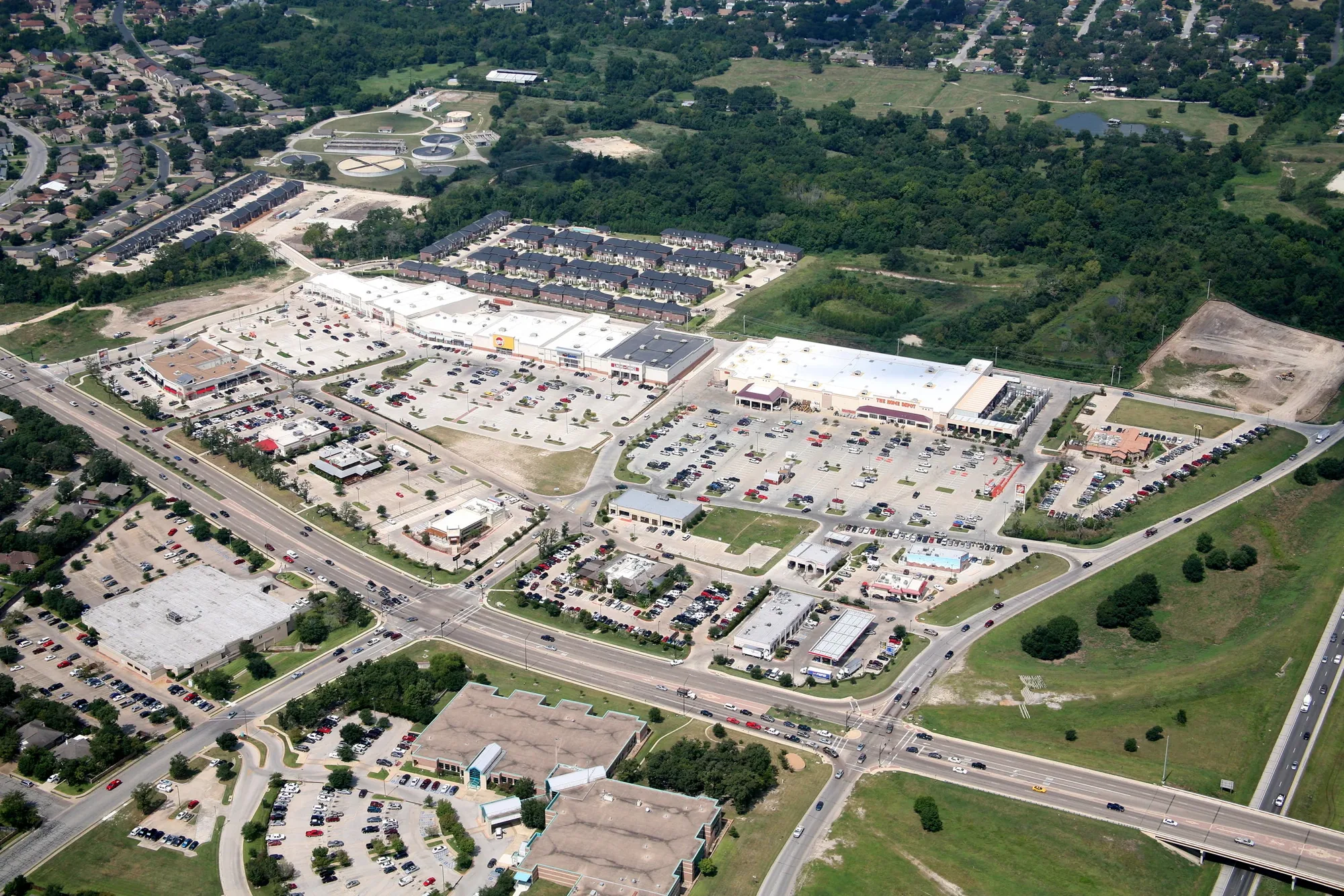
Commercial roof work in Bryan Midtown takes place within a broader plan for walkable mixed use and neighborhood infill. The area lies between Downtown Bryan and Northgate, and its planning framework supports business growth alongside housing. We start with the property itself: roof assembly, reported condition, access rules, and the hours when work affects people below. That keeps a repair or replacement scope tied to the building while allowing managers to coordinate work within a changing district.
Use the district plan as operating context
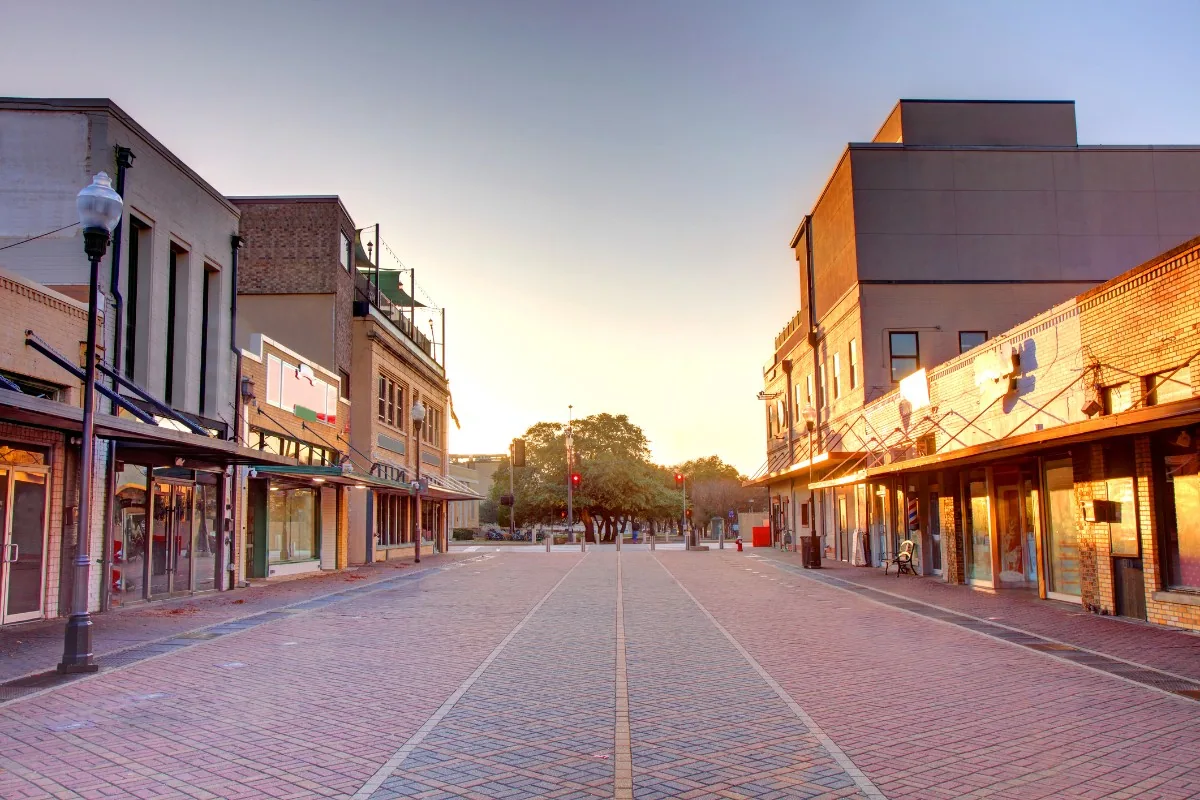
A planning boundary helps locate a property, but it does not tell us what roofing system is installed or how a building is used. Bryan’s Midtown plan describes an area between Downtown Bryan and Northgate and calls for mixed-use development and neighborhood infill. We use that context to ask about occupancy, service access, tenant coordination, and any planned improvements that could touch the roof. Field observations and owner records remain the basis for the actual scope.
Before scheduling, we identify the authorized contact, roof access path, available plans, leak reports, and prior repair areas. If building work is coordinated with an exterior renovation, the team should identify which trade owns flashing, curbs, penetrations, and temporary protection. A commercial roof inspection can document accessible areas and identify open questions, while a condition report with photographs gives property staff a location-based record for follow-up.
Check each roof area against its use
On the roof, we note visible membrane or metal surfaces, seams, flashing, parapets, drains, scuppers, penetrations, and equipment supports. The assembly may change between original construction and later additions, so we record each transition rather than carry one description across the whole building. Photos should include a recognizable roof-area label and enough surroundings to locate the observation at a later visit.
If a tenant reports water indoors, we note the room and timing supplied by the property team and compare the report with nearby roof details. Water can move through an assembly before it reaches an interior finish, which makes a traceable Diligence Notes more useful than a guessed entry point. A bounded seam or flashing repair may suit a localized condition; broader moisture, repeated separation, or unstable materials may call for further testing. We explain what evidence supports each path before setting the repair scope.
Coordinate work along South College Avenue
South College Avenue is a principal multimodal corridor in the Midtown plan, with redevelopment around the wider area. For a property near the corridor, roof work planning should account for the building’s loading, pedestrian access, lift placement, and any limits on material staging. We confirm these details with the site contact rather than infer them from the street plan. The daily sequence can identify which access route stays open and how a change in weather or site activity reaches the crew.
The city plan supports commercial growth alongside housing, creating a mixed stock of business and multifamily roofs. That does not identify the use or roof design of a particular property; it signals why tenant and occupant communication belongs in the work plan. We define roof zones, temporary tie-ins, and interior protection around the actual building. A phased reroof plan can help manage work above occupied areas, while scheduled maintenance can keep recurring checks on the operating calendar.
Keep regional storm history in context
In 2019, an EF-2 tornado affected commercial buildings and warehouse structures in the area east of Bryan. That history can inform post-event inspection planning, but it does not establish damage at a Midtown property. If an owner requests a review after a severe event, we document the conditions at that building and keep event timing separate from visible findings. The roof walk checks edges, coping, transitions, flashing, and equipment supports for displacement or openings, then records any area needing closer evaluation.
A loose edge component may expose a water path, while a marked surface can remain only a surface observation until it is examined in context. We explain the next step, such as temporary protection, a limited repair, or additional testing, and attach photographs to the roof-area record. If a broader capital decision follows, a capital review can use the current findings and repair history without treating the storm report as a diagnosis.
Set the work boundary before mobilization
Repair and replacement plans should identify the roof zones, staging, access route, working hours, and the contact who can approve a field change. We review material handling, debris removal, protection below, equipment service clearances, and the temporary tie-in at the end of each shift. If removal reveals wet insulation or a deck concern, the plan should stop at an agreed review point so the owner can assess the added work before it is covered.
Cost and duration can change with tear-off depth, concealed conditions, access, curb work, edge metal, drain corrections, or the need to protect occupied rooms. We describe those drivers and identify allowances separately from visible work. The estimate should also state how much roof can be exposed at one time, what temporary tie-in is included, and when the owner must decide whether added work proceeds. These points are useful in a mixed-use area where a change to the daily work zone may affect the building contact’s notice plan or another trade’s access. When replacement is under consideration, a replacement plan should state the assembly, transitions, phasing, and assumptions clearly enough for the manager to compare proposals. For nearby assets, we can coordinate a separate Downtown Bryan review or South College Avenue review while keeping each property’s findings separate.
Keep follow-up with the property record
We close with the areas reviewed, dated photographs, work completed, conditions still open, and any access limits. A property manager can retain that record with tenant communications, plans, invoices, and the next inspection date. If an item remains deferred, we note what should trigger another review and who owns the follow-up. We can also record a target review month and the contact who can authorize roof access, which keeps a useful reminder attached to the right property. This creates continuity when a building changes tenants, management, or planned use.
Share the roof plan, maintenance history, occupied hours, equipment-access needs, and any construction schedule. We can inspect a Bryan property, document the roof condition, and align the next repair or capital action with the building’s operating calendar.
Commercial Roofing Questions
Does the Midtown plan define the roof assembly at a property?
No. The plan describes the broader mixed-use area and corridor framework. We confirm the assembly and visible details from records and field observations at the specific building.
How do you plan roof work near South College Avenue?
We confirm site access, pedestrian and loading paths, staging, and occupied hours with the property contact. The work sequence identifies which routes remain open and where temporary protection is needed.
Can a repair be completed while adjacent spaces remain in use?
We coordinate roof zones, work hours, interior protection, and notice with the authorized contact. The workable sequence depends on access, weather, the condition found, and how the building uses the affected area.
Does the 2019 tornado record establish damage in Bryan Midtown?
The documented damage occurred east of Bryan. A property review in Midtown must be based on conditions observed at that property and its own service history.
What information helps scope a roof project?
Roof plans, previous scopes, leak dates, repair invoices, access restrictions, and the property’s operating calendar help define the work boundary. We note any concealed condition that could change the sequence.
Plan a Bryan Midtown roof review
Share the property’s roof records, access rules, occupied hours, and project timing. We can document current conditions and prepare a repair or replacement sequence that fits the site.
Related Roofing Work
Request a Roof Assessment
Tell us about the building, the roof and what you are seeing. We look at leaks, storm and wind damage, aging membranes and planned replacements on commercial properties across College Station, Bryan and Brazos County.