
Commercial Roofing in Downtown, Bryan, TX
Downtown
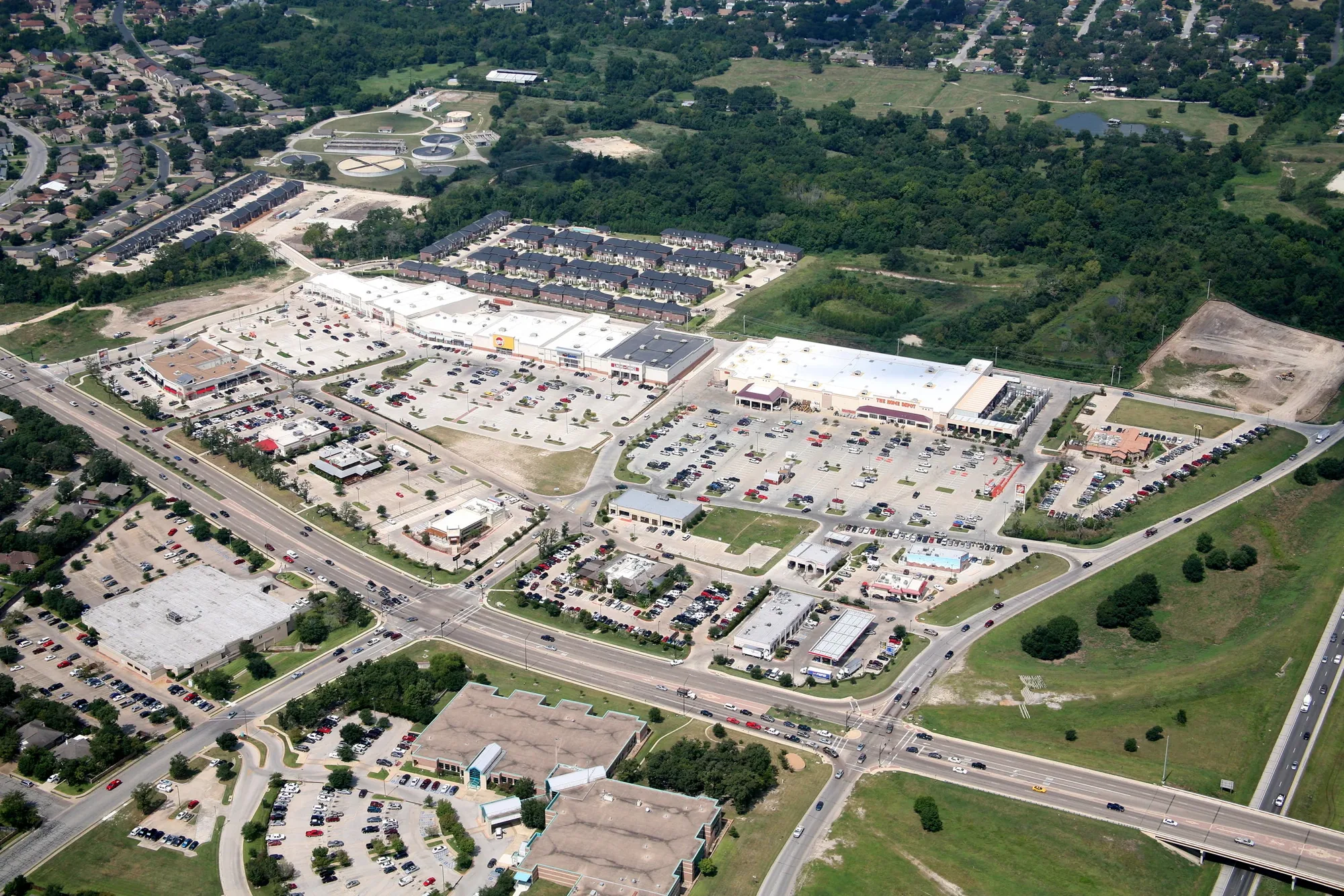
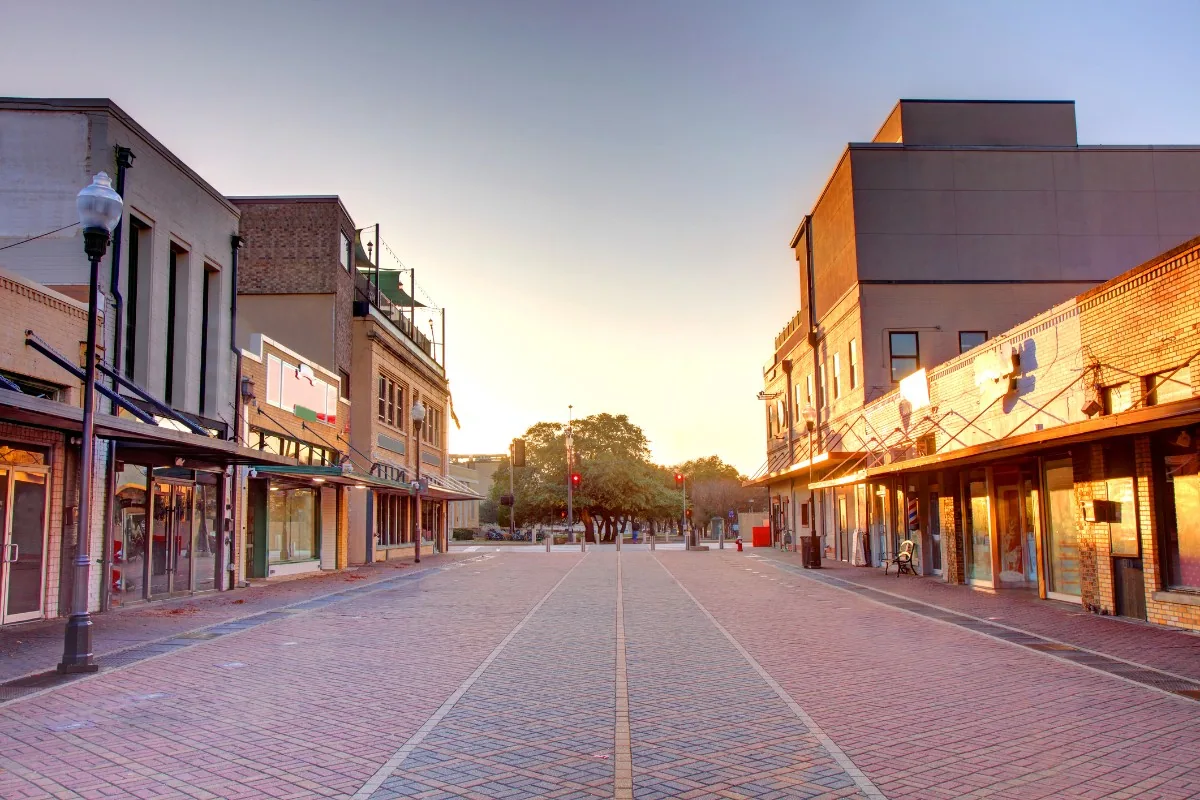
Mixed-use commercial buildings in Downtown Bryan need roof work that accounts for tenants, building access, and the pace of a changing business district. Bryan’s downtown is an established cultural district and former railroad-town commercial center, and city revitalization planning treats it as part of a mixed-use business environment. We start with the actual roof assembly and how the property operates, then document visible conditions, access needs, and the next work decision without assuming every downtown roof has the same age or details.
Coordinate work in a mixed-use setting
The revitalization context matters when a roof scope meets occupied space or exterior improvement planning. We confirm which entrances, tenant areas, service routes, and roof zones are affected before setting a field or construction sequence. A short inspection can still be thorough when access is planned: identify the authorized contact, arrange keys or escorts if needed, and reserve an inspection window that avoids a known business activity. The roof record should keep the property’s own use and history attached to its findings. Confirm which businesses need advance notice and when access is available.
Bryan has approved a multi-phase mixed-use redevelopment at Downtown’s northern gateway, adding commercial and residential building opportunities. For an individual property, we review plans, invoices, and repair notes, then verify visible transitions, penetrations, drains, and edge details. A commercial roof inspection can establish what is accessible and document which questions need more investigation.
Read the assembly one transition at a time
Downtown roofs may have additions, parapets, party-wall interfaces, equipment changes, or drainage details that need separate attention. We confirm each feature during the property review and record the location for follow-up. The walk records visible membrane seams, flashing, roof-to-wall transitions, curbs, penetrations, scuppers, drains, and perimeter metal. If the building has several roof sections, a plan or marked aerial can keep each observation tied to the right area.
A reported leak should be recorded with its date and interior location, then compared with nearby roof details. Water can travel within an assembly, so the stain itself does not determine the entry point. We photograph the relevant details and label a repair candidate where the field evidence supports one. If drains appear blocked or water remains after outlets are clear, a drainage review can distinguish maintenance from a broader slope or assembly question.
Use regional storm history as context
During the April 8, 2021 severe storm, hail reports across Bryan and College Station ranged from 1 to 2.75 inches. That regional record can help a Downtown Bryan owner decide when to retrieve inspection notes or arrange a post-event walk. It does not tell us whether a particular roof was affected. We document the surface and details at the property, separating visible impact, displacement, water entry, and areas that need closer review.
For a roof review after a reported event, we check exposed edges, coping joints, corners, flashing, rooftop supports, and penetrations as well as the field membrane. A marked component is not automatically a leak, and a visible mark may not explain an interior symptom. We describe what the photo shows and what testing could clarify before recommending repair. If the field evidence supports corrective work, a hail-related roof repair can address the affected detail and document closeout.
Plan access before materials arrive
Construction in a downtown setting can involve narrow staging choices, occupied areas below, shared service access, and communication with more than one property contact. We ask where a lift can set up, how material can reach the roof, which routes must remain available, and who approves a change in the work zone. Before opening the assembly, the sequence identifies temporary weather protection and the point where concealed conditions will be reviewed with the owner. Emergency roof response remains available around the clock, every day of the week and on holidays, so an active opening can receive prompt protection. We coordinate access with the authorized contact, then document the permanent repair boundary once the affected area is visible. The closeout distinguishes temporary measures from completed corrective work.
A phased repair or replacement can limit the area exposed at one time, but each phase needs a workable tie-in and a clear closeout boundary. We identify noisy work, debris handling, tenant notices, and hours when roof access is restricted. A phased occupied-building reroof can define those controls, while a replacement scope can describe assembly, transitions, drainage adjustments, and allowances for concealed conditions. Those details help management compare the proposal with the building’s operating calendar.
Keep a changing district’s roof record current
Downtown Bryan’s mixed-use business environment includes properties alongside continuing redevelopment. An owner may need to coordinate near-term maintenance with a future tenant improvement or capital project. We keep those decisions separate in the file: current roof condition, work completed, follow-up items, and any proposed scope that depends on later design. When a condition is deferred, the report states what should trigger another review so an open item does not disappear during a property handoff.
A dated condition report can help ownership compare a repair candidate with a larger renewal plan. We mark roof-area identifiers, photographs, access limits, and the reason for each recommendation. Those records can support a written roof condition report and inform the next capital review. If a portfolio also includes Bryan Midtown properties or a Texas Avenue corridor building, we schedule a separate review and preserve each property's own roof history.
Leave a clear handoff for the property team
At closeout, we list the roof areas reviewed, photographs, work performed, remaining conditions, and any access or testing limits. The owner can keep those notes with tenant communications, repair invoices, and the building plan. If a later visit finds a change, the team can compare it with a dated reference instead of relying on a short work-order description. That gives maintenance and capital reviewers the same location labels and next action. We also retain the date, responsible contact, and any agreed return visit so the handoff remains useful after staff or tenants change.
Share available roof plans, repair history, occupied hours, access rules, and any project timing tied to the property. We can coordinate the field review in Bryan and document an inspection, repair, or replacement sequence suited to Downtown’s mixed-use operating needs.
Commercial Roofing Questions
Can roof work be scheduled around downtown tenants?
We confirm occupied hours, entrances, access routes, staging, and notice contacts before setting the sequence. The plan can identify which roof zones are open and when temporary protection or interior coordination is needed.
Does the railroad-town history tell you what roof an older building has?
No. The district’s history describes Downtown Bryan, not a particular building’s assembly or condition. We review available plans and records, then verify visible roof details during the field visit.
What should a post-hail inspection document?
We record the roof areas reviewed, visible marks, edge and flashing condition, photographs, and any question that needs testing. Regional storm reports guide timing, while the property visit establishes the observed condition.
Can repair work proceed before a full replacement decision?
A bounded repair may address an active opening while ownership reviews broader condition. We document the repair limit, surrounding material, temporary protection, and any follow-up inspection that should inform the capital decision.
Which records help with a downtown roof project?
Roof plans, tenant access rules, leak reports, prior scopes, and closeout photographs help define the field review. We also confirm staging and notification contacts before materials are delivered.
Plan a Downtown Bryan roof review
Share the roof history, access rules, occupied hours, and project timing. We can inspect the property, document roof-area findings, and prepare a practical repair or capital sequence.
Related Roofing Work
Request a Roof Assessment
Tell us about the building, the roof and what you are seeing. We look at leaks, storm and wind damage, aging membranes and planned replacements on commercial properties across College Station, Bryan and Brazos County.