
Commercial Roofing in Texas Avenue Corridor, Bryan, TX
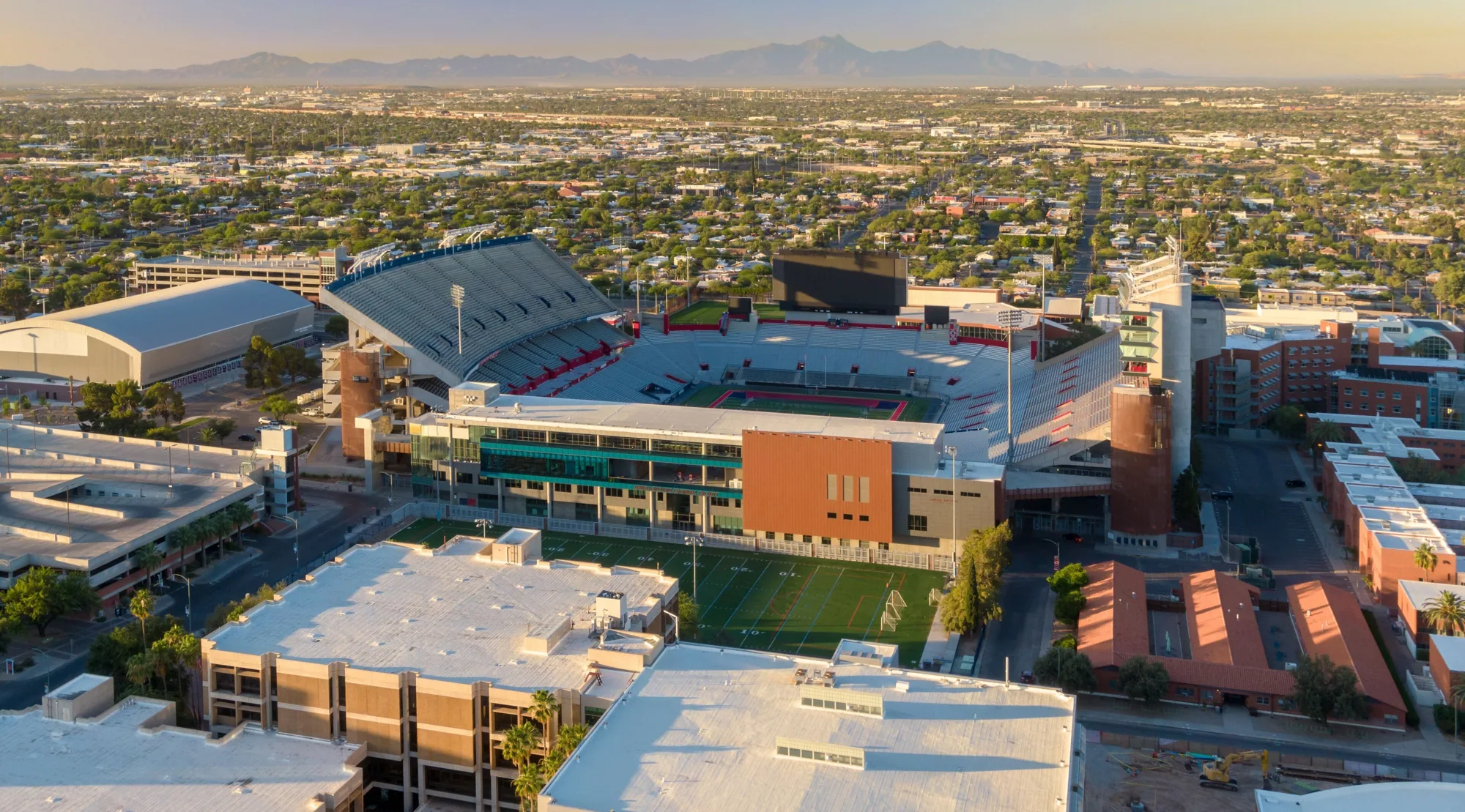
Texas Avenue Corridor
A roof along Texas Avenue can affect more than the membrane above a tenant space. Bryan identifies the avenue as a commercial redevelopment and revitalization corridor, and its beautification partnership works with property owners there. We plan roof inspections and repairs around the building’s use, access, and any exterior project already under consideration. The corridor context can shape communication and timing; the specific assembly and field condition determine the roofing scope.
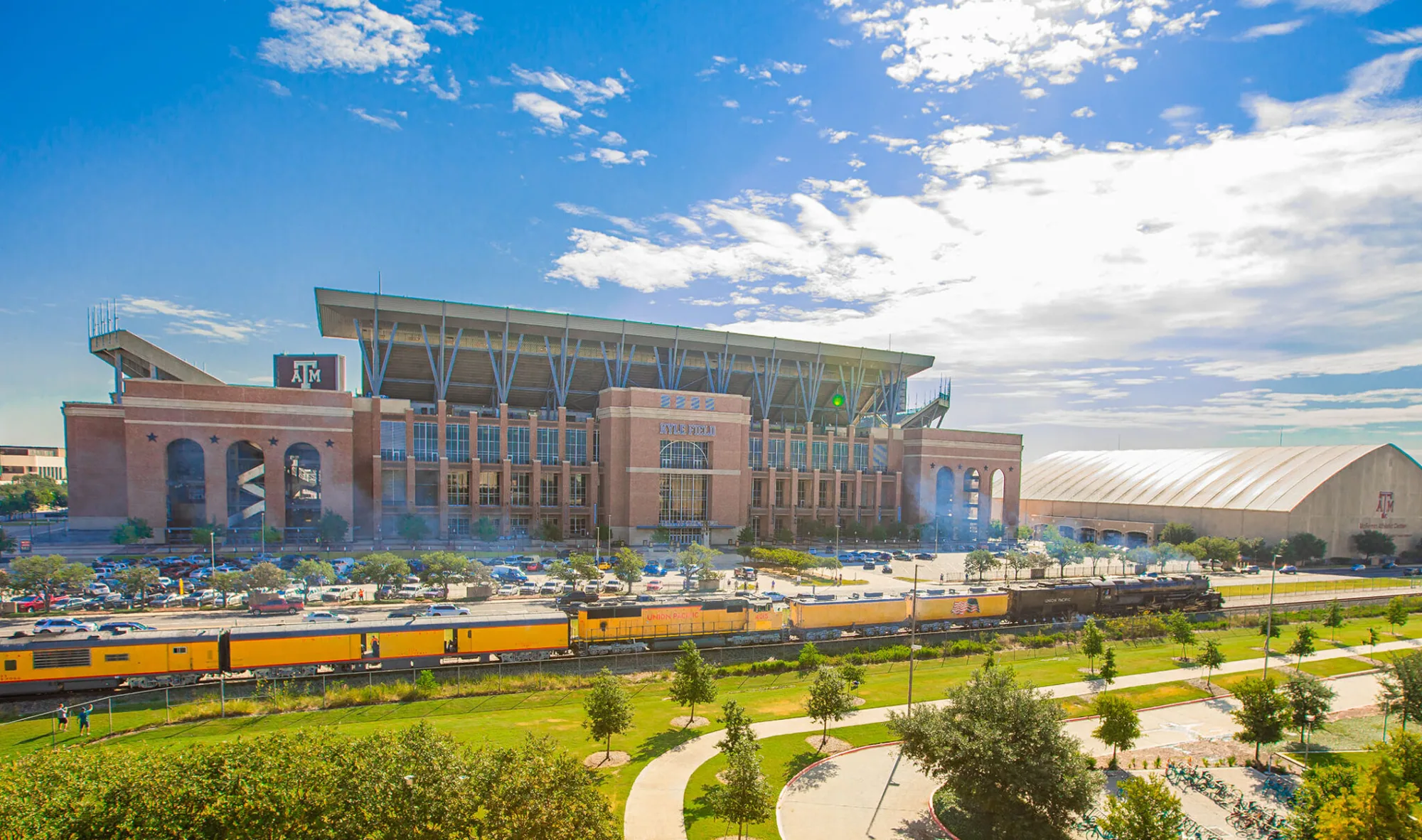
Coordinate roof scopes with exterior plans
Bryan’s commercial design guidance is intended to support main entrances and corridors and improve existing and future building stock. If roof-edge work, drainage, or a replacement project is part of a larger exterior effort, we identify the roof details and timing that the property team should coordinate with its design process. The guidance does not tell us what assembly a specific property has, so we review plans and visible conditions before proposing work.
Before the visit, we confirm who can provide access, where a lift or materials can be placed, which entrances remain open, and when roof work could affect occupied spaces. The walk records seams, flashing, penetrations, drains, scuppers, edge metal, and transitions around equipment. Photos show both the detail and enough surrounding roof to find it later. A commercial roof inspection can establish a baseline and mark items that need repair, testing, or further review.
Connect reported symptoms to roof details
A ceiling stain helps identify where a facility contact noticed water, but the opening may be elsewhere in the assembly. We compare the report date and room with seams, penetrations, curb flashing, parapet transitions, and drainage above. If more than one leak is reported, we log each location separately and look for a shared detail only when the evidence supports that connection. This keeps a roof repair scope focused on a condition that can be located and addressed.
At drains, we note debris, outlet restrictions, damaged strainers, or low areas where water remains. An open drain does not resolve a broader slope or deck question, so we record what is visible and the next check needed. A drain and scupper repair may address a service issue; if moisture appears to extend beyond a detail, additional evaluation can help define the boundary. The report states which areas were accessible and where roof access or testing remains outstanding.
Set work windows with summer heat in mind
College Station’s 1991 through 2020 July climate normals put the mean daily high at 95.4°F, with the normal reaching 97°F near the end of the month. This market-level heat context can inform access planning for Bryan roof work, especially when crews need time on exposed surfaces. We select a practical inspection window with the site contact and base the repair recommendation on the property’s actual condition, not on the climate reading alone.
For a first walk, we check membrane seams and field condition, flashing at walls and curbs, drains, edge attachment, and rooftop supports. The building’s repair history can show whether the same detail has needed attention more than once. We separate a bounded repair candidate from broader restoration or replacement work, then state what moisture testing or a controlled opening could clarify. A maintenance visit can keep routine checks on the calendar, while a repair scope can address a confirmed defect.
Protect entrances and occupied areas
A corridor property may need an entrance, service lane, or tenant route kept available while roof work proceeds. We ask the property contact to identify protected access, busy periods, notice requirements, and locations where staging cannot interfere with operations. The plan sets work zones, temporary tie-ins, material handling, debris removal, and the process for pausing if a concealed condition changes the scope. Those details reduce interruption risk and keep the property team informed about the day’s boundary. We also agree on how deliveries will reach the work area, where removed materials will be staged, and who can authorize a change if access conditions differ from the plan. Clear communication helps adjacent occupants understand when a route may briefly change.
If the roof is occupied below, we coordinate noisy tasks and interior protection before opening the assembly. A phased plan can advance by roof section, with closeout points at each tie-in and a clear handoff before the next area begins. Emergency roof response remains available throughout the day and night, every day of the week and on holidays. We can protect an active opening promptly, then document the permanent repair scope and remaining work. For a larger project, an occupied-building reroof sequence can map these controls in advance.
Compare repair and renewal by evidence
A local correction may suit an isolated defect where surrounding materials remain serviceable. Repeated leaks, broad moisture, failing attachment, or several deteriorated transitions can change the decision. We explain which observation supports repair, which points toward restoration, and what finding would justify replacement. That lets the owner compare near-term work with a capital plan while keeping unknown conditions visible.
Scope and timing can shift with tear-off depth, insulation changes, deck repair, new edge metal, curb adjustments, drain corrections, staging, and protection below. We identify visible tasks separately from allowances for concealed conditions. A restoration assessment can evaluate whether the existing roof is suitable for renewal; a replacement scope can describe removal, assembly, transitions, and work sequencing when the evidence supports a full project.
Keep the corridor property record current
We close each visit with roof areas reviewed, photographs, work completed, open items, and access limits. The owner can retain those notes with service invoices and any exterior project documents. When a repair is deferred, we record the reason, a condition that should prompt another review, and the contact responsible for access. This gives facilities staff and future project teams a traceable history instead of a collection of unlocated observations. A useful record also names the roof section, the nearest visible landmark, and the date of the visit, so a later crew can compare the same area. If work is split across phases, each handoff should show which transitions are complete and which remain open.
For another Bryan building, we can coordinate a separate citywide roof review or review properties in Bryan Midtown, keeping each assembly and operating calendar distinct. Share roof plans, repair history, occupied hours, access restrictions, and project timing. We can document Texas Avenue roof conditions and prepare a practical repair or renewal sequence for the property team.
Commercial Roofing Questions
Can roofing work be coordinated with corridor improvements?
We can align the roof sequence with the property team’s exterior plans and identify details that need coordination. The owner should confirm any design review or program requirements that apply to the project.
What should be checked on a roof along Texas Avenue?
We review accessible seams, flashing, drains, penetrations, rooftop supports, edge metal, and transitions. The report connects each visible finding with its roof area and next action.
Does College Station’s heat data apply to a Bryan roof?
The climate normals are for College Station. We use them only as market-level planning context for summer access, while inspection findings and daily conditions at the Bryan property guide the work.
How do you handle an active roof opening?
We coordinate prompt protection with the authorized property contact and record the affected area. The permanent correction follows after the assembly and repair boundary are reviewed.
What should a property owner provide before a roof visit?
Roof plans, leak reports, prior scopes, equipment-access needs, occupied hours, and exterior project timing help define the review. We identify any access limit before setting a work sequence.
Schedule a Texas Avenue roof review
Share the roof history, exterior project timing, access rules, occupied hours, and equipment needs. We can inspect the property, document findings, and plan the next roof action.
Related Roofing Work
Request a Roof Assessment
Tell us about the building, the roof and what you are seeing. We look at leaks, storm and wind damage, aging membranes and planned replacements on commercial properties across College Station, Bryan and Brazos County.