
Commercial Roofing in South College Avenue Corridor, Bryan, TX
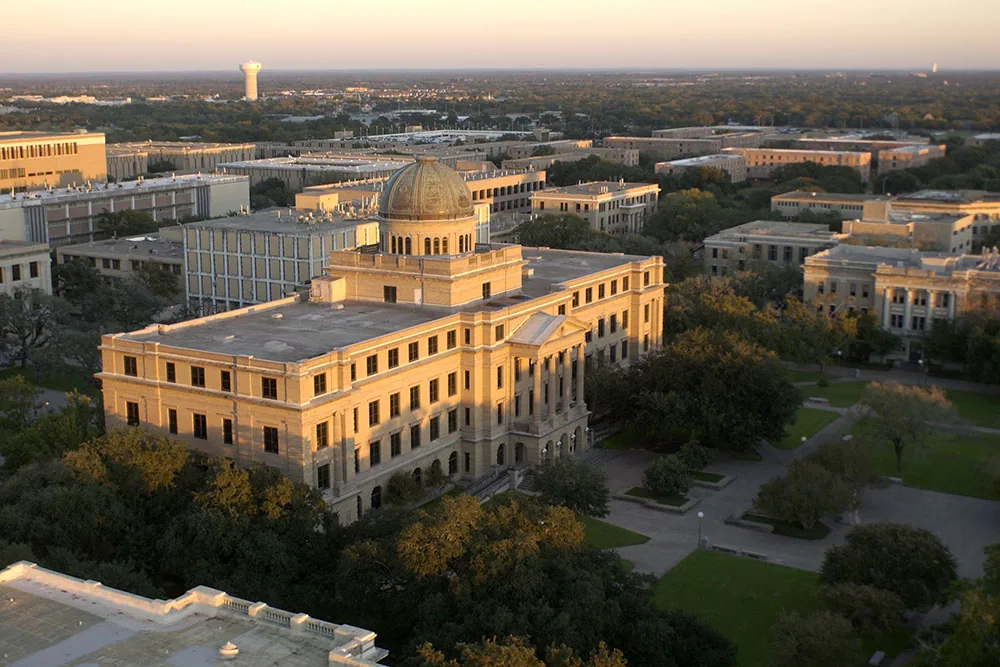
South College Avenue Corridor
Commercial and retail property owners along South College Avenue need roof work planned to fit the building and its street-facing operations. Bryan’s Midtown plan treats the avenue as a principal multimodal corridor, with commercial-property programs focused on retail and commercial properties along its route. We begin with the roof assembly and the property’s actual access needs, then organize inspection or repair work around occupied hours, deliveries, and staging. The corridor context helps frame coordination; the field condition determines the scope.
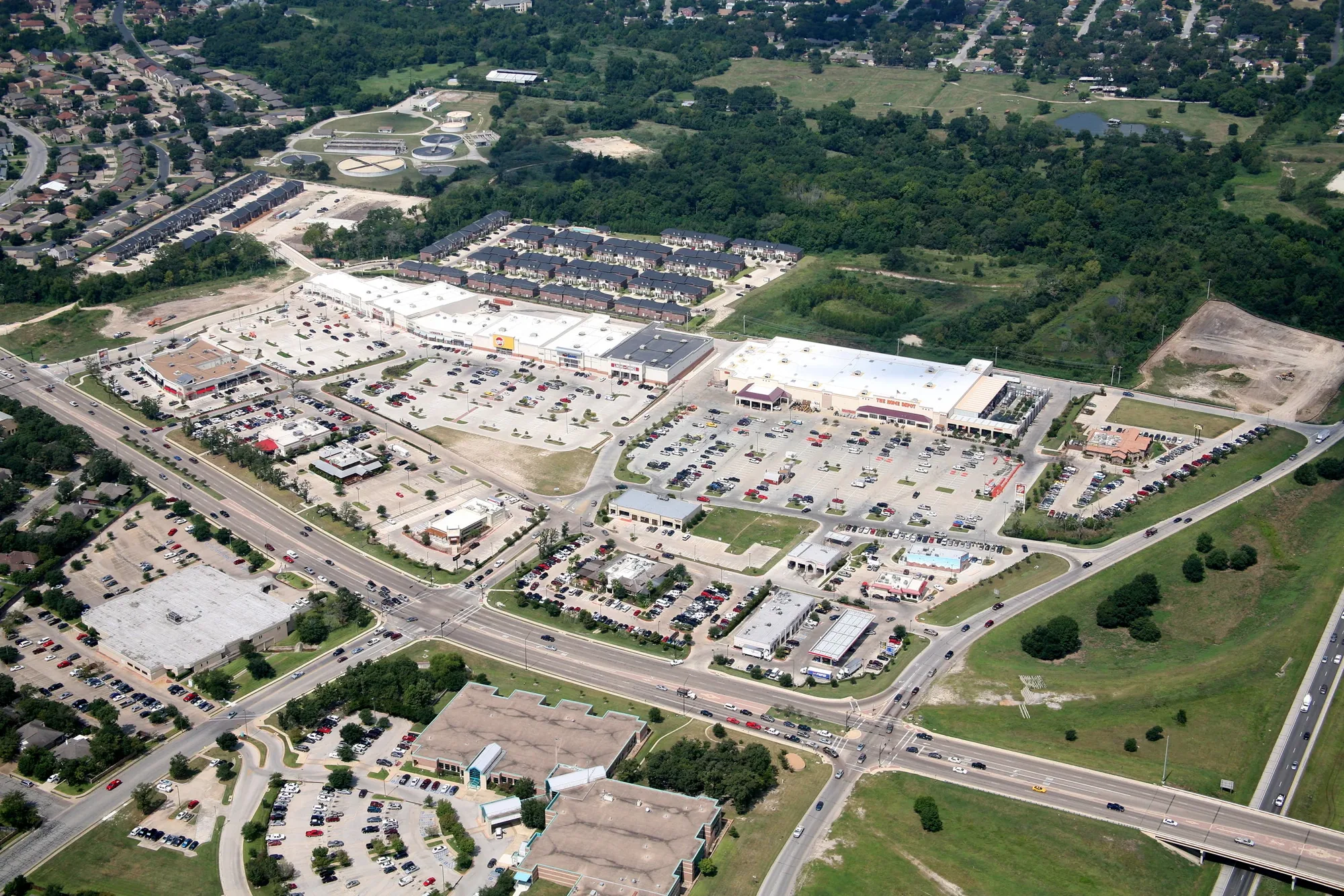
Coordinate roof work with the property calendar
The city’s corridor improvement program supports exterior work for commercial and retail property owners, while the Midtown plan envisions South College Avenue as a multimodal route. A roof project may need coordination with other planned work, but the available facts do not establish that a roofing scope qualifies for any particular program. We keep the roof review focused on observed conditions and confirm the property team’s own project timing before materials or equipment are scheduled.
At the start of a visit, we confirm the building contact, access route, occupied periods, loading activity, and any areas that should remain available. A marked plan can identify roof sections and help connect a tenant report to a nearby detail. We photograph visible seams, flashing, drains, penetrations, roof edges, and transitions around equipment. A commercial roof inspection gives the owner a field baseline and an itemized list of findings by roof area.
Inspect the details that connect to water entry
A low-slope roof can have several possible paths for water: a seam, penetration, wall transition, curb, edge, or drainage detail. We compare the reported interior location with the roof plane above and note what is confirmed. If the field is intact but an equipment curb has deteriorated flashing, a focused detail repair may be more appropriate than a broad surface treatment. Where water has moved through insulation, additional testing or a controlled opening may be needed before the work boundary is known.
Drainage deserves a separate look because debris, damaged strainers, blocked outlets, or low areas can produce different maintenance and repair questions. We record whether the outlet is clear, whether water remains, and what the assembly shows around the drain. The owner can then authorize a drain and scupper service or request more investigation if the slope or deck may be involved. Each note stays tied to a location rather than becoming a general statement about all corridor roofs.
Allow for changing property plans
Bryan encourages mixed-use redevelopment along South College Avenue, so owners may coordinate roof maintenance with other property work over time. The redevelopment context does not tell us whether a specific building will change use or when a project will proceed. We ask what is approved or scheduled by the property team, then document roof work that should happen before new penetrations, equipment, or other trades affect the assembly.
When an exterior renovation is under consideration, the roofing scope should identify existing flashing interfaces and any area that will need a new connection. A roofer can coordinate a planned penetration or equipment support with the authorized project contact, but the design and trade responsibilities must be clear before the membrane is opened. A curb and support review can document the roof detail, and a phased reroof plan can define the work zones if occupants remain in the building.
Compare repair with broader renewal
A localized repair may fit when the opening is bounded and adjacent material remains serviceable. Repeated leaks, widespread moisture, failing attachment, or incompatible past layers can shift the discussion toward restoration or replacement. We connect the recommendation to field observations, repair history, and any testing performed. If further evaluation would change the scope, we state what should be checked before the owner commits to a larger project.
Cost and timing depend on tear-off depth, deck repairs, insulation changes, drain work, edge metal, access, staging, temporary protection, and the amount of roof that can be opened safely at one time. We describe those drivers and note assumptions separately from confirmed work. A restoration assessment can review whether the existing assembly is a suitable base; a replacement scope can state removal, installation, transitions, and closeout requirements when replacement is supported by the evidence. An owner may also want to compare a recover with tear-off. We check existing layers, moisture results, attachment, drainage height, and detail clearance before describing that option. If removal is needed, the plan should also account for debris access and temporary protection. The record separates these assumptions from conditions confirmed in the field, so a later scope can focus on the questions that remain.
Keep roof findings separate from corridor plans
Bryan’s planning framework combines business activity with new housing near this corridor. For roof work, that makes it useful to confirm the specific building’s occupants, work hours, and access contact before choosing a sequence; the plan itself says nothing about an individual roof assembly. We keep each inspection record attached to the property, with roof-area labels, dated photographs, work completed, and remaining actions. The owner can then track maintenance without applying a corridor-wide assumption to an individual assembly.
If the portfolio includes another property in Bryan Midtown, we can schedule it in a separate field window and carry its plan, access rules, and repair history in its own file. A photo-supported condition report gives maintenance and capital reviewers a common reference. We can also coordinate an inspection in Bryan while preserving the distinction between each building’s condition.
Make the next action clear
A useful closeout identifies the roof areas reviewed, the photos that support each finding, the work completed, and the items that remain open. We note access limits and any point where concealed conditions could change the recommendation. When a repair remains open, we document the unresolved condition, the reason for postponing work, and the next review trigger. That gives maintenance and capital staff a clear handoff for later planning. We also list the agreed return date and contact responsible for access when follow-up is needed.
Share roof plans, leak reports, repair invoices, occupied hours, loading constraints, and project timing. We can plan a South College Avenue roof visit around the property calendar and prepare a repair or renewal sequence for review.
Commercial Roofing Questions
Does the corridor improvement program cover roof work?
The city information identifies support for commercial and retail property improvements along the corridor. We do not assume a roofing scope qualifies; the owner should confirm program terms while we document the roof work needed at the property.
How do you plan around activity on South College Avenue?
We confirm the property’s loading, occupied hours, staging, roof access, and required routes with its contact. The sequence identifies work zones and any notice or temporary protection needed for the building.
Can maintenance happen before a redevelopment project?
Yes. We can document current conditions and identify repairs that should be addressed before other work affects the roof. Planned changes to equipment or penetrations should be coordinated with the project team before the assembly is opened.
How do you decide between repair and replacement?
We compare the extent of the defect with surrounding material, moisture information, recurring failures, and the roof’s repair history. The recommendation states which findings support a limited correction or a broader capital scope.
What information should the building manager provide?
Roof plans, leak locations, previous scopes, access restrictions, loading periods, and planned construction dates help us define the field review. We record areas that remain inaccessible as follow-up items.
Arrange a South College Avenue roof review
Send the roof history, access rules, occupied hours, project timing, and equipment needs. We can inspect the property and document a repair or renewal sequence around its operating calendar.
Related Roofing Work
Request a Roof Assessment
Tell us about the building, the roof and what you are seeing. We look at leaks, storm and wind damage, aging membranes and planned replacements on commercial properties across College Station, Bryan and Brazos County.