
Solar-Ready Commercial Roofing in College Station, TX
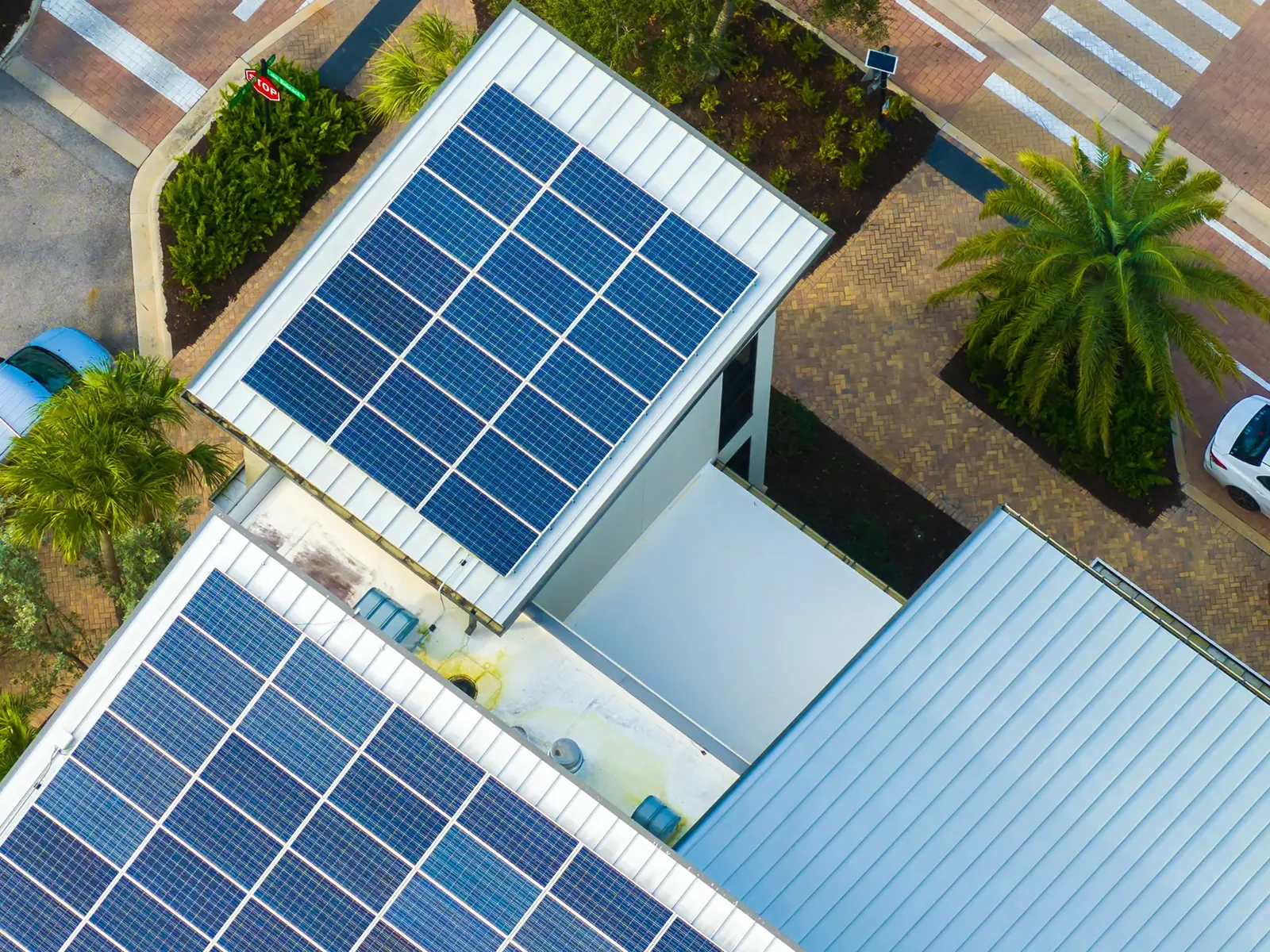
Solar-Ready Commercial Roofing
Solar planning changes the roof conversation before panels arrive. In College Station, an owner needs to know whether the membrane, deck, drainage, and equipment layout can support the proposed work sequence and future service. We review the roof as a system first, then identify repairs or replacement work that should happen before an array limits access. The recommendation separates roofing scope from electrical design and structural calculations while giving both teams useful field information. For a multi-tenant office, research property, or manufacturing building in College Station, a solar-ready roof plan should state what is sound, what needs attention, and which roof zones must remain serviceable.
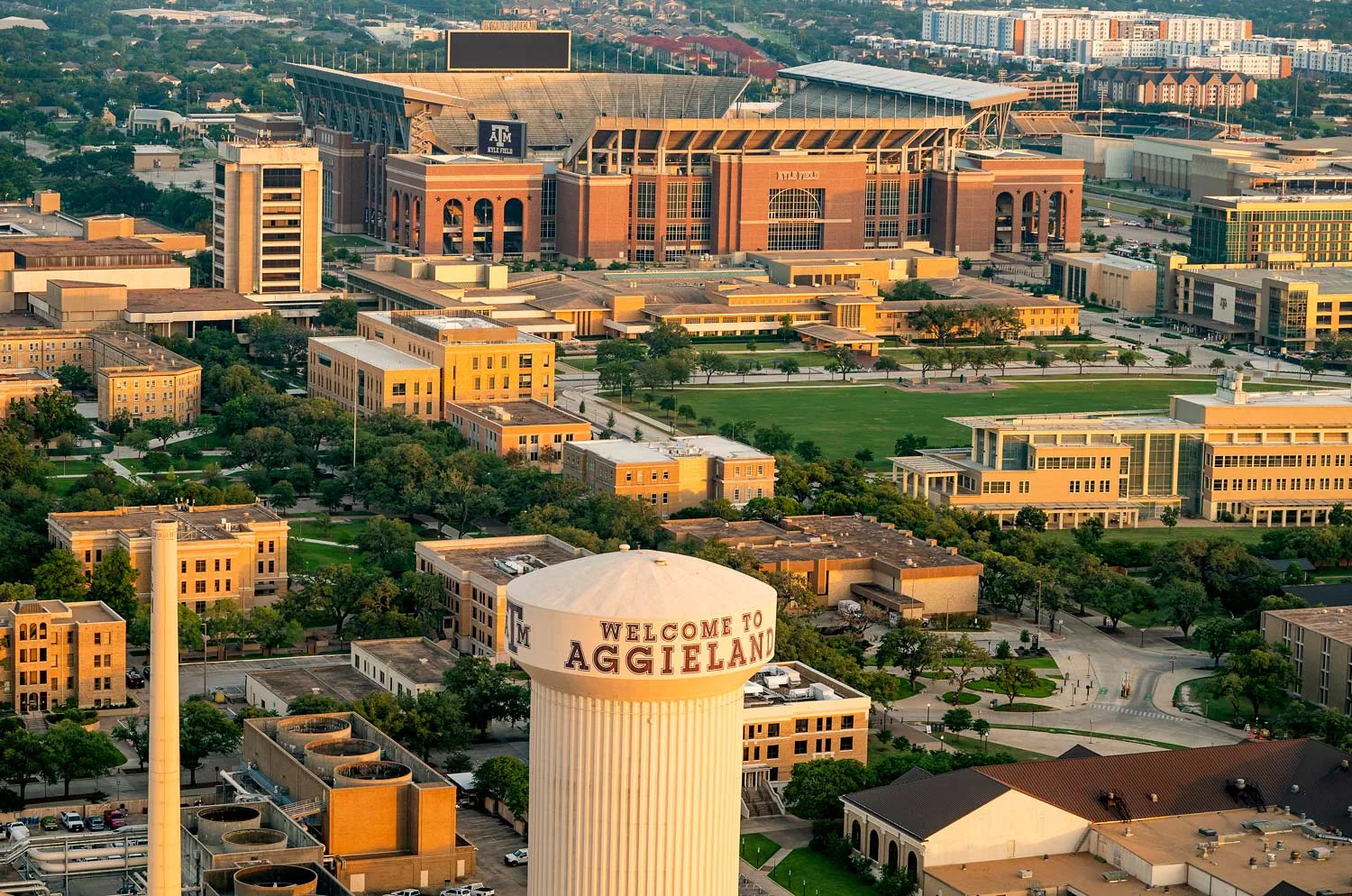
Record the roof before design fixes the layout
Panel rows can make drains, curbs, seams, and service paths harder to reach. Before the array footprint is settled, we map roof areas by system and condition, record known repairs, and flag moisture or deck concerns that could alter the layout. The inspection identifies membrane type, attachment, insulation, edges, penetrations, and drainage routes. A roof baseline gives the design group a field reference instead of relying only on old plans or a roof age estimate.
Visible condition is one part of the review. Where moisture is suspected beneath a membrane, infrared investigation or test openings can help define its extent before equipment covers the area. A moisture survey can target follow-up locations; any opening is repaired as part of the agreed scope. We keep findings tied to roof zones so the array can avoid an area that needs removal or allow time for correction.
Coordinate loads and attachments with the design team
Solar equipment introduces loads and attachment details that belong in the structural design. We provide roof assembly information and identify visible deck or support conditions, while the engineer determines capacity and the array designer specifies its mounting method. The roofing scope should not assume that a membrane can carry a rack or that existing equipment supports are suitable for new loads. Each attachment point needs a compatible waterproofing detail and a path to transfer force without tearing or crushing the roof materials.
Ballasted layouts add weight over broad areas; mechanically attached racks place demands at individual connections. The selected approach depends on structural review, wind design, roof system, and array configuration. We can review proposed attachment locations for conflicts with seams, drains, curbs, and expansion joints. When drilling or fastening is planned, the drawing should show who seals the penetration and how the finished detail will be inspected. A support review can identify related roof interfaces before installation.
Array design also accounts for pressure differences at roof edges and corners. The engineer sets attachment requirements for the building and rack, while we flag seams, perimeter metal, and existing fastening that should be considered at proposed connections. Drawings should leave roof details clear for inspection and later repair.
Choose repair or replacement before the array goes up
Adding panels above a roof with recurring leaks can make future repair slower and more expensive because access requires work around electrical equipment and racking. If the membrane is near the end of its useful condition or has widespread moisture, the owner should compare roof work before solar installation with the costs and coordination of later array removal. We document repair history and current findings, then compare targeted correction, recover, and replacement by area. A replacement review may be the cleaner sequence when a roof requires broad renewal.
Isolated defects do not automatically require full replacement. We look for open seams, failed flashing, saturated insulation, weak deck areas, and blocked outlets, then mark whether each issue falls inside the array footprint. If a roof remains serviceable, a repair plan can close the known defects and preserve access routes. If moisture mapping is incomplete, the scope should reserve inspection points before mounting hardware conceals the surface. We explain the uncertainty and the evidence needed to resolve it before the owner commits to the next trade.
The roof assembly also affects code review. Energy-designed commercial or multifamily buildings need a COMcheck report under the 2024 IECC. College Station's current building and energy editions entered force on January 1, 2026. Insulation changes, roof replacement, and solar coordination should be discussed with design professionals early. We provide the existing build-up and proposed assembly for the compliance file.
Keep drainage and maintenance paths open
Solar arrays should leave a workable route to drains, roof hatches, HVAC equipment, and areas that need periodic inspection. We review the proposed panel layout against drainage paths and service clearances. The drawing should show how workers reach each roof zone without stepping on unsupported membrane or crossing a fragile detail. A drainage review can call out outlets and low points before racking fixes their location.
When roofing and solar work overlap, approved repairs or replacement should close before the array occupies that area. For phased work, we identify temporary tie-ins, material routes, and who protects completed roof sections during rack installation. A replacement scope and array plan should use the same roof-zone map so responsibility at each interface is clear.
FM 2818 and Harvey Mitchell Parkway form a roughly 20-mile commercial and residential spine between Bryan and College Station. Material lifting and staging can affect loading, entrances, and parking. We coordinate those routes with the site contact and note where work may affect interior use or equipment shutdown. In summer, the College Station area's normal July mean daily high is near 95°F, so exposed work must fit product limits and site rules.
Give the owner a maintainable handoff
At completion, the building team needs to know what assembly is under the array, how roof penetrations were sealed, and which routes remain available for repair. We record the roof system, attachment details visible to the roofing scope, repair photographs, and areas requiring monitoring. The solar contractor provides equipment and electrical documentation; the roof record describes the water-control layer and access conditions.
For a portfolio spanning Bryan and College Station, consistent roof-zone naming helps compare buildings without assuming similar arrays sit over identical assemblies. We can place photographs, leak history, repair boundaries, and next-review items in a condition report. A manager can use those observations in multi-site roof planning or a future capital review. For urgent leaks, dispatch can respond outside regular hours, including holidays, after site entry is coordinated with the building contact.
Commercial Roofing Questions
Should we replace the roof before installing solar panels?
The roof condition and planned array life help answer that. We compare repair history, moisture, deck observations, remaining serviceable areas, and the difficulty of future access. Widespread deterioration can make roof renewal before panels the clearer sequence; isolated defects may fit a documented repair plan.
Who decides whether the roof can carry the array?
A structural engineer evaluates capacity and the solar designer specifies the mounting system. We provide roof assembly and field-condition information, then coordinate waterproofing details at the proposed attachment points. Those responsibilities should be clear in the project documents before installation starts.
Can panels cover a roof drain or service route?
The array layout should preserve access to drains, hatches, equipment, and roof zones that need inspection. We compare the drawing with actual drainage paths and maintenance clearances and flag conflicts before the rack locations are fixed. A clear route also makes later repair work easier to plan.
How does local wind exposure affect solar roof details?
Wind design belongs with the engineer and array designer, including edge and corner conditions. We identify roof attachment, membrane transitions, and perimeter details that should coordinate with that design. Regional weather may inform review timing, while the building's calculations determine the actual mounting requirements.
What records should stay with the roof after solar installation?
Keep the roof assembly, repair photographs, penetration details, array layout, access paths, and responsibility for each interface. We document the roofing work and conditions that affect future service. The array installer should provide its own equipment and electrical records for the same roof-zone map.
Review the roof before solar design is fixed
Share the roof plan, repair history, array concept, and operating constraints. We can document roof condition, flag drainage and access conflicts, and coordinate repair or replacement work before panels restrict access.
Related Roofing Work
Request a Roof Assessment
Tell us about the building, the roof and what you are seeing. We look at leaks, storm and wind damage, aging membranes and planned replacements on commercial properties across College Station, Bryan and Brazos County.