
School Roofing in College Station, TX
School Roofing
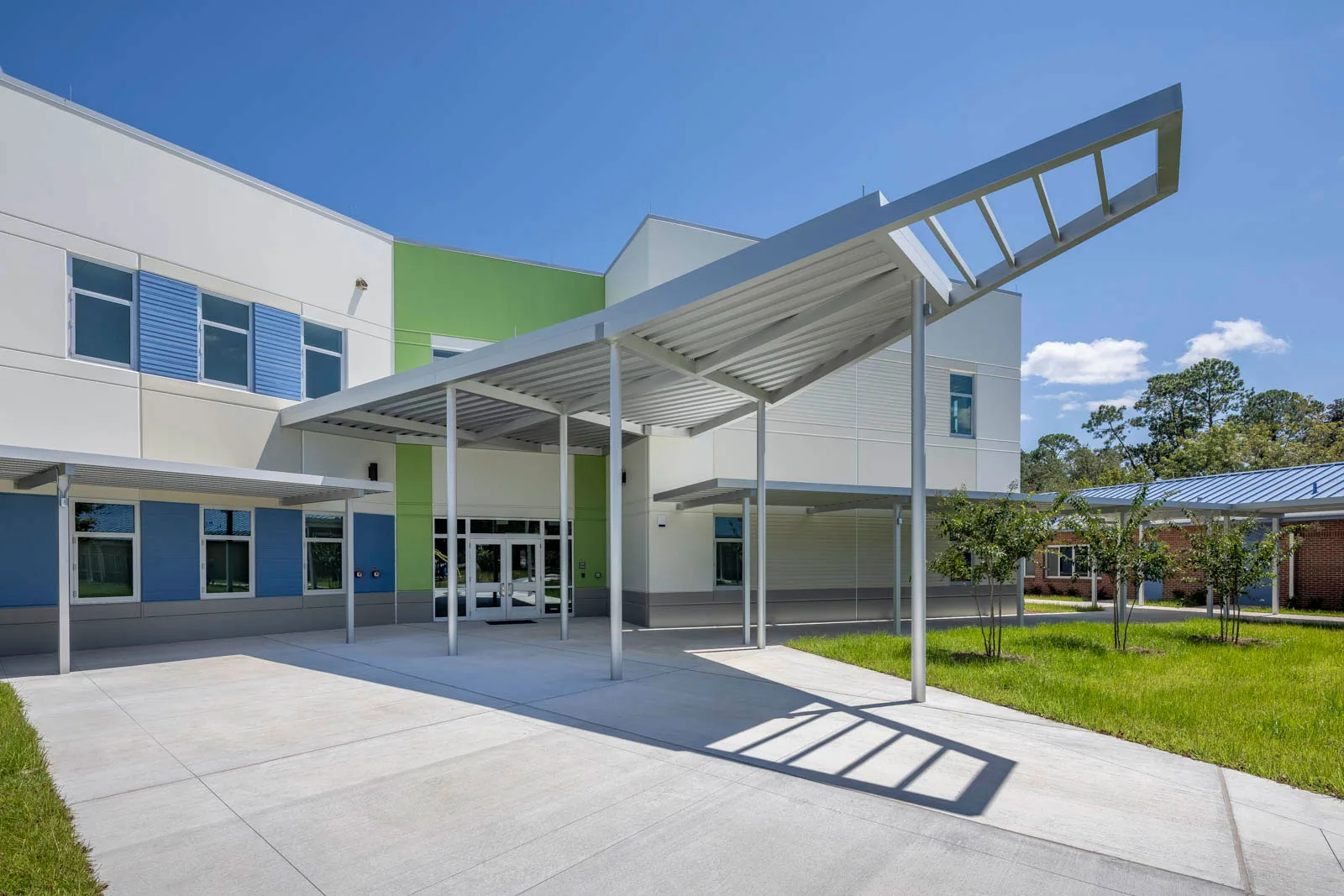
A school roof protects more than classrooms. It sits above daily arrival, instruction, food service, activity spaces, and staff work that all depend on predictable access. For a school property in College Station, TX, we map roof condition against the calendar, interior use, equipment access, and the areas that must remain available. A Bryan or College Station facilities team can then weigh an active repair, a focused investigation, or a phased capital scope using the same building-specific record.
Use the school calendar to set the work window
Summer recess, weekends, teacher workdays, and evening events offer different opportunities for roof access. The schedule should identify when noisy removal is acceptable, whether staff will be in the building, and which entrances serve visitors or maintenance crews. We coordinate those periods with the roof areas that can be opened and closed within a shift, rather than assuming that an empty classroom means the whole property is clear.
If a school remains active during the visit, access routes and interior protection should be agreed before tools or materials move. The work plan can state where ladders or lifts will stand, which doors remain open, and who receives a notice if the route changes. A live-building reroof plan can connect those rules to the order of roof sections and the daily closeout.
Read summer heat and storm evidence carefully
The 1991 to 2020 July normals for College Station show a 95.4°F mean high. The average daily high is 94°F near the month's opening and reaches 97°F near its close. Facilities teams can use that pattern to choose a practical roof-access window; it does not replace an assembly inspection or establish a defect.
The April 2021 severe storm brought hail from 1 inch to 2.75 inches in Bryan and College Station. A school post-event log can pair what is visible on the roof with reports from rooms below, without assuming that every building was affected. Education portfolios can include classrooms, housing, offices, and support buildings with different assemblies and schedules. Each receives its own access plan and roof-area record before a work scope is selected. These figures describe the institutional setting, not a particular school's roof. A storm-related inspection records findings by area.
Inspect details above the rooms in use
Low-slope school roofs often include membrane fields, wall transitions, roof drains, curbs, skylights, and edge metal. We inspect accessible areas for open seams, split flashing, punctures, loose terminations, ponding, and previous patches. The inspection distinguishes what is visible from what may require a test opening. If a reported interior issue does not align with the nearest roof detail, we trace transitions and drainage paths before setting a repair location.
Kitchen exhaust, HVAC, and other rooftop equipment create penetrations that need sound support and compatible flashing. We check curb corners, pipe boots, clamps, and surrounding membrane for movement or abrasion. Service personnel may cross the roof repeatedly, so access routes and nearby walk surfaces matter.
Drain performance deserves a separate look when water is reported after rain. We note debris, outlet condition, low areas, and whether water can reach the drain without crossing an obstruction. A drain and scupper review can locate the issue at the inlet, connection, or slope and help staff choose a repair.
Match the scope to the roof assembly
A localized repair can fit when the defect is defined and surrounding material remains serviceable. We identify the membrane or metal system, prepare sound substrate, and describe how the patch or flashing connects to the existing assembly. If leaks recur across several areas or moisture extends beyond the visible opening, a broader review may be needed before a new layer is installed. The recommendation should show which findings support repair, further testing, recover, or replacement.
School districts often coordinate multiple buildings and separate maintenance budgets. We keep each roof map and repair history distinct, then use consistent area labels so facilities staff can compare current findings with older work. A condition report can identify photos, completed repairs, limitations, and recommended follow-up without merging conditions between buildings. If the work requires broad removal, a replacement scope can define the sequence and the areas that need temporary protection.
The assembly choice also affects insulation, attachment, drain elevations, edge details, and future maintenance. A TPO roof system has different seam and flashing requirements from built-up or metal roofing. We review the installed roof and design requirements before specifying a material. For a school with additions from different periods, one roof field should not be assumed to match the adjoining section without inspection.
Close each shift with a protected boundary
During tear-off, the daily removal limit needs to match crew capacity and the weather window. We identify the edge where work stops, how temporary protection will shed water, and which drains must stay open. A completed section is checked before the crew shifts to another area. If rain threatens, the contact should know who receives an update and what roof zones remain under temporary cover.
School buildings can include occupied rooms, technology, food preparation, and supplies below the active section. We coordinate interior protection and equipment interruptions with the facility contact, and keep the work boundary visible to staff responsible for the building. If a concealed deck or wet insulation condition changes the scope, we document it and pause at the agreed review point before covering the area.
Emergency response is available outside regular hours, including weekends and holidays, when an active opening needs immediate attention. For planned work, an inspection window can be set around the academic calendar, but weather and access may still affect sequence. The closeout should record the status of every temporary tie-in so the next shift begins with a known boundary.
For multi-building programs, the facilities team can set a separate access contact and roof map for each school. That keeps contractor movement, temporary protection, and room-level reports tied to the correct property, even when several buildings share a maintenance calendar.
Coordinate access across the Bryan and College Station area
FM 2818 and Harvey Mitchell Parkway connect destinations across the Bryan and College Station urban area and serve commercial and residential land uses. For schools in the area, confirm material staging, bus movement, staff parking, and public access routes with the facilities contact before setting the work sequence.
College Station and Bryan serve a regional mix that includes education, research, healthcare, office, retail, and manufacturing activity. Facilities teams may be responsible for more than one building type, so the school record should remain tied to its rooms, roof zones, and calendar. If a portfolio also includes higher-education buildings or multifamily housing, each asset needs its own operating plan and inspection priorities.
Commercial Roofing Questions
What school records help before a roof inspection?
Roof plans, leak dates and room locations, prior repair records, occupied hours, roof access rules, and the academic calendar help us set the inspection route. If a record is missing, we identify that limitation and build a field baseline for the next review.
Can roof work fit between school terms?
A summer or holiday window can allow broader access, but the section size still depends on weather, crew capacity, and the time needed to close each boundary. We map noisy work, equipment needs, and interior protection with the facilities contact before setting the sequence.
How do you review a leak reported inside a classroom?
We note the room and date, compare the report with the roof details above and nearby, and follow drainage paths where water could travel. The repair location comes from the inspection evidence, not only the ceiling mark.
Does the 2021 hail event determine whether a school roof needs work?
The regional event is useful context for a post-storm review. We document impact or wind conditions observed at the school and connect them to specific roof areas. The resulting scope follows those findings and the building's condition history.
What should the school receive after the work?
We can provide area-based photographs, completed work, open items, and any access or testing limits. The facilities team can retain those details with the roof plan and use them to schedule monitoring or a future capital review.
Schedule a school roof review
Share the roof plan, leak history, occupied hours, access requirements, and academic calendar. We can coordinate an inspection window and prepare a repair or phased-work scope for the facilities team.
Related Roofing Work
Request a Roof Assessment
Tell us about the building, the roof and what you are seeing. We look at leaks, storm and wind damage, aging membranes and planned replacements on commercial properties across College Station, Bryan and Brazos County.