
Commercial Roofing in FM 158 Corridor, Bryan, TX
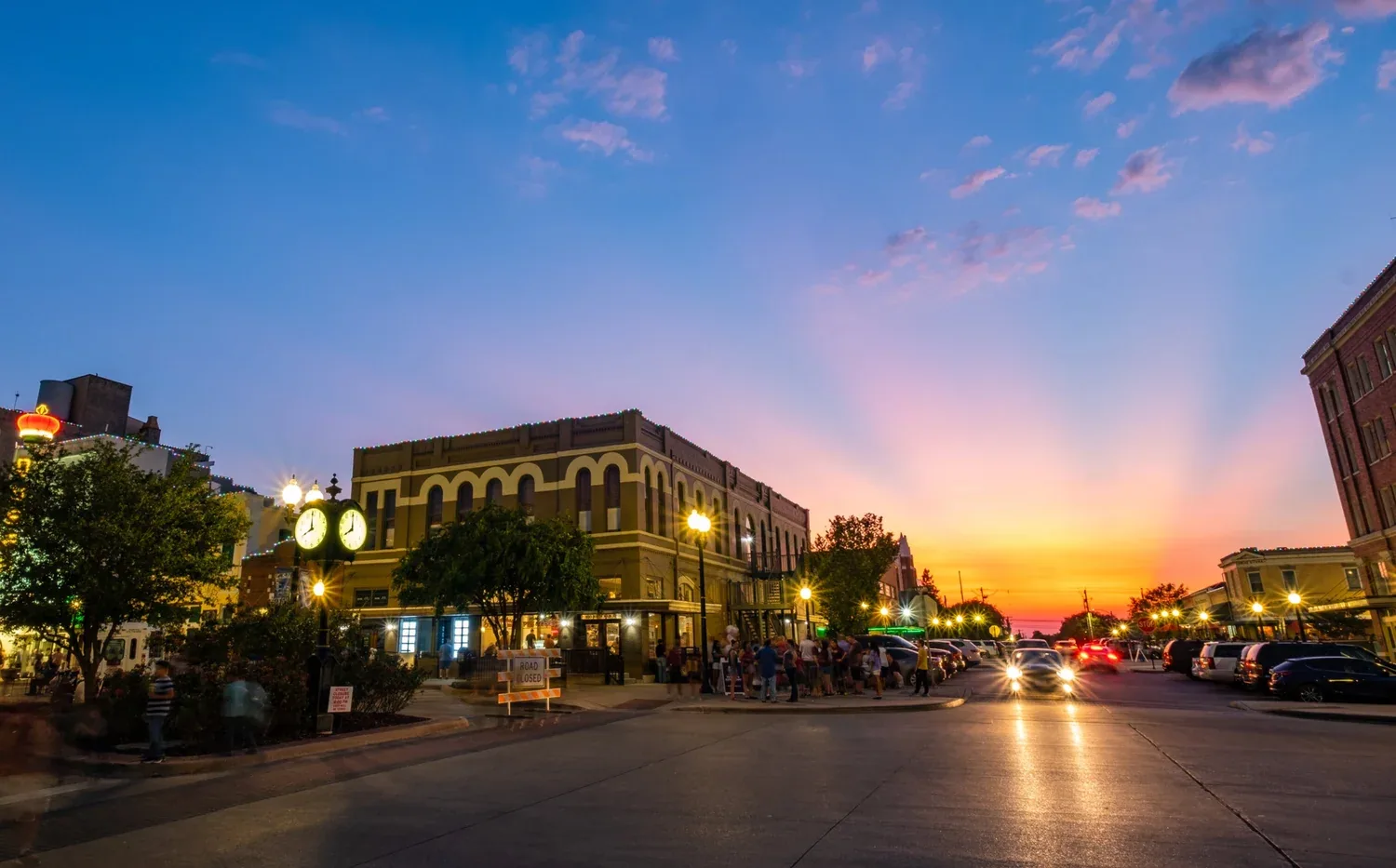
FM 158 Corridor
Retail and commercial properties along the FM 158 corridor need roof work planned with access, customer routes, and the building’s use in view. Bryan identifies the area near William J. Bryan and Nash Street as a commercial and retail corridor, while its improvement program supports exterior work on commercial properties. We start with the roof assembly and the conditions visible on site, then fit inspection or repair activity to the operating calendar. We confirm each property’s access and operating limits with its site contact before setting the work scope.
Before the first visit, we confirm who can grant access, when deliveries or customer traffic are busiest, where equipment can be staged, and whether other exterior work is underway. A commercial roof inspection records seams, flashing, penetrations, drainage, edge details, and roof supports, with photos tied to a marked area. Bryan properties elsewhere in the city can receive a separate city roof review using compatible records while keeping each building’s findings distinct.
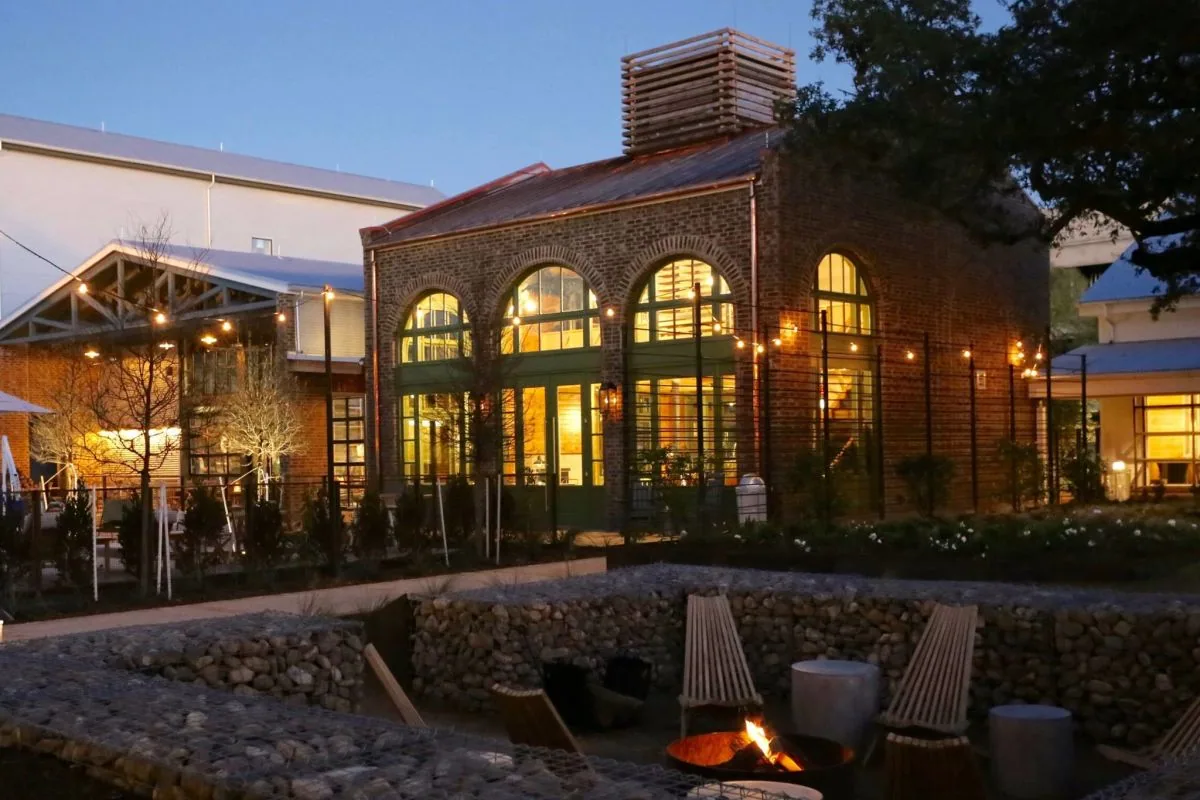
Protect daily access during roof work
A storefront entrance or shared service drive can shape the work sequence as much as the roof itself. We ask the property contact to identify busy hours, accessible routes, delivery windows, and any tenant notice period before setting a crew schedule. The plan marks where ladders or lifts can be placed, how materials move to the roof, and which route remains open. If work needs to pause, the crew knows how to secure the area and leave the roof weather-tight.
Commercial corridor activity can include more than one property type. Bryan development reviews document both multifamily and commercial projects around road corridors, so a roof visit should be arranged with the actual building contact rather than a general assumption about the block. We coordinate access separately for each property and note where rooftop work could affect interior use. For occupied spaces, an occupied-building sequence can define work zones and handoffs, and drain and scupper service can address a confirmed drainage defect.
If a repair requires a temporary opening, we set the tie-in and protection method before removing material. We also agree on the point at which concealed conditions require a pause and a scope review. That approach is useful where other trades, tenants, or exterior improvement work share the same access area. A clear daily boundary reduces interruption risk and makes it easier to explain what was completed and what still needs authorization.
Trace roof symptoms to their source
A reported leak gives us a starting location, not a completed diagnosis. Water can move along insulation, deck flutes, or framing before appearing inside, so we compare the report with seams, penetrations, curbs, wall transitions, and drainage above. Each suspected path is photographed and labeled. When the source remains uncertain, we state whether moisture testing, a controlled opening, or a return visit after rain would help define the boundary.
Drainage details deserve a close look on a commercial roof. We note debris, restricted outlets, damaged strainers, standing water, and low areas, then distinguish a blocked drain from a slope or deck issue. At equipment curbs and penetrations, we check flashing continuity, movement, and prior patch edges. A leak repair should identify the detail being corrected and the surrounding material that supports the repair, rather than treating every interior stain as the same roof problem.
The condition record also helps when an owner is comparing a targeted repair with restoration or replacement. We separate confirmed defects from items that need testing and show where a repair boundary depends on concealed material. A photo-supported condition report can carry those observations into a budget discussion and give the next reviewer a clear starting point. The report notes any areas that could not be reached during the inspection.
Set summer inspection windows carefully
For July in College Station, the 1991 to 2020 normals put the mean high at 95.4°F. The daily high normal is 94°F near the month’s opening and 97°F near its close. The seasonal pattern helps us coordinate exposed roof access with the property contact. During the visit, we note surface conditions, seam movement, flashing, and equipment supports.
Hail has also been documented in the Bryan and College Station area. After a reported event, we inspect the named property, photograph visible marks, and check roof edges, curbs, penetrations, and equipment transitions for movement or openings. A storm damage inspection can distinguish observations from conditions that need moisture testing. We record each finding with the property location and inspection date.
Emergency roof response remains available around the clock, including weekends and holidays. When water is entering an occupied area, we coordinate safe access, temporary protection, and interior precautions with the site contact. We document the affected area and return for a permanent repair scope after conditions can be examined. This keeps immediate protection and lasting correction connected without confusing temporary measures with completed roof work.
Compare a repair with a larger project
A bounded seam or flashing failure may support a local repair when nearby materials remain serviceable. Recurring leaks, widespread wet insulation, loose attachment, or multiple deteriorated transitions can change the recommendation. We explain what finding supports the repair, what remains uncertain, and which test could change the decision. The owner can then compare corrective work with restoration or capital renewal using the same roof areas and assumptions.
Access, staging, tear-off depth, insulation replacement, deck repairs, drain corrections, curb adjustments, material handling, and protection below all influence time and cost. We list confirmed tasks separately from allowances for concealed conditions. If the assembly can remain in place, a restoration assessment can evaluate its suitability; a replacement scope can define removal, new layers, flashing, drainage, and work phasing when a larger project is supported.
Commercial exterior improvements may also involve a schedule that extends beyond the roof. Bryan’s corridor program supports exterior improvements for retail and commercial properties, so owners can coordinate the roofing sequence with their own project milestones. We document roof-related dependencies, including edge metal, wall transitions, drainage outlets, and equipment supports, and identify when another trade needs to complete work before the roof can be closed.
Keep the property record actionable
At closeout, we list the roof areas reviewed, photos, completed repairs, deferred items, and any access restriction that limited the inspection. A follow-up note should explain the condition that warrants another look and the person responsible for arranging entry. Those details help the owner use the record during maintenance, tenant changes, or a later capital review instead of relying on memory.
For another district, a separate South College Avenue review or Downtown Bryan roof review can document its own assemblies and operating calendars. The same reporting method supports regional oversight while preserving building-level evidence. Share roof plans, leak reports, occupied hours, access rules, and project timing. We can inspect the corridor property and return a practical repair or renewal sequence.
Commercial Roofing Questions
Can a roof inspection fit around customer traffic?
We confirm peak periods, entrances, delivery windows, and staging limits with the property contact. The work plan can keep a designated route open and define how the crew will secure the area if conditions change.
How can exterior improvement work affect a roof project?
The program can affect timing for exterior work at retail and commercial properties. We coordinate roofing details and milestones with the property team while basing the roof scope on the assembly and conditions observed.
What information helps trace a reported leak?
The date, affected room, photos, prior repairs, and roof plan help narrow the inspection. We compare that report with drainage and nearby penetrations before setting a repair boundary.
How does summer heat affect a Bryan roof visit?
College Station’s climate normals provide regional planning context. We set the actual access window with the Bryan property contact and base recommendations on observed roof condition and site limits.
When should an owner consider replacement instead of repair?
Repeated failures, broad moisture, weak attachment, or several failing transitions may support a larger scope. We identify the evidence and any testing needed before comparing repair, restoration, and replacement.
Plan an FM 158 roof inspection
Share roof plans, leak history, access needs, customer hours, and exterior project timing. We can document the roof and prepare a repair or renewal sequence for review.
Related Roofing Work
Request a Roof Assessment
Tell us about the building, the roof and what you are seeing. We look at leaks, storm and wind damage, aging membranes and planned replacements on commercial properties across College Station, Bryan and Brazos County.