
Cool Roof Installation in College Station, TX
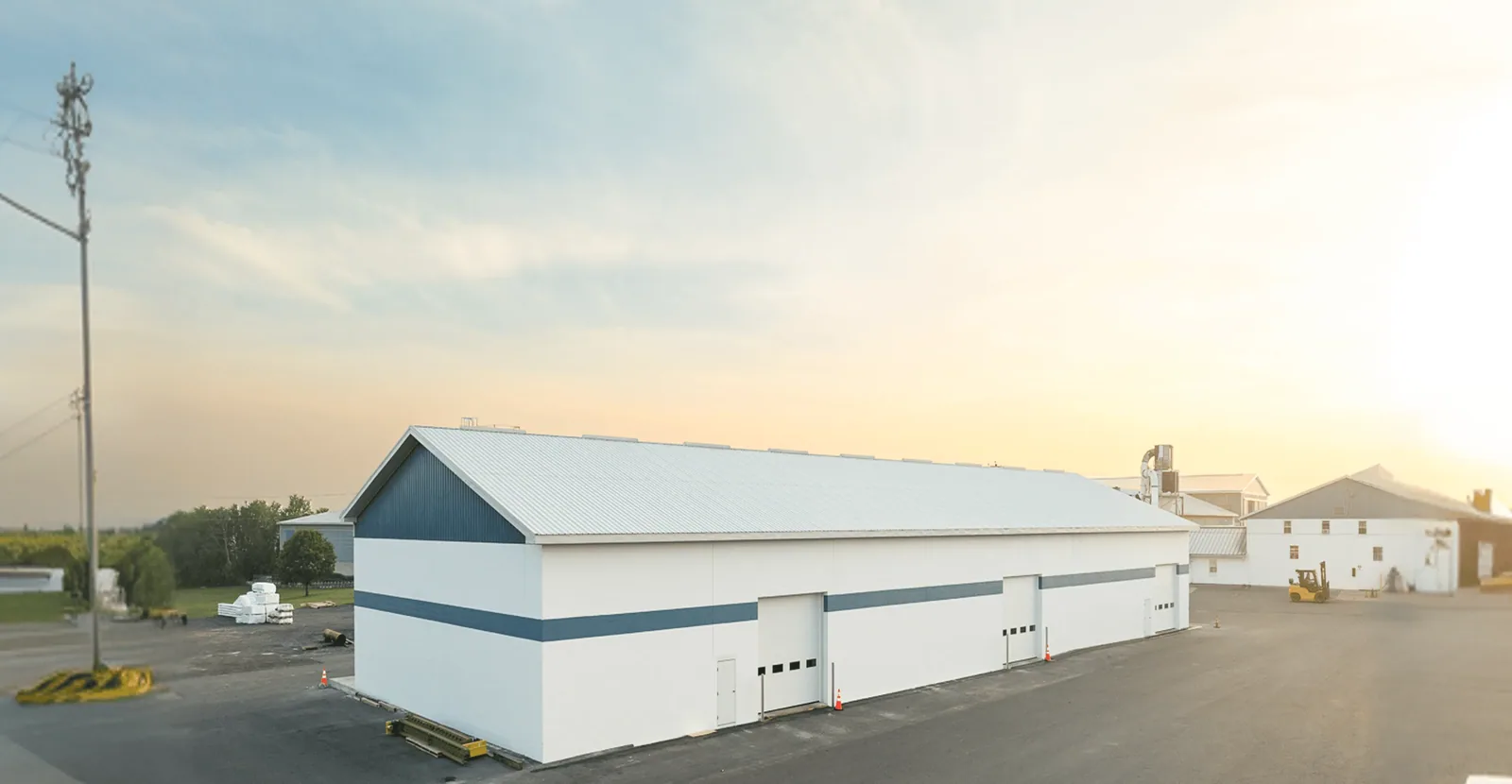
Cool Roof Installation
For a College Station facility, a reflective roof choice starts with the assembly already on the deck. A lighter surface can change how much solar energy the roof absorbs, but it still has to drain, attach, and detail correctly at seams and penetrations. We compare the proposed surface with insulation, slope, roof age, and interior use before recommending a cool-roof installation. The decision is relevant across College Station and Bryan, where offices, research space, retail, hospitality, and industrial buildings operate under long hot-season exposure. A local roof review should connect surface reflectance to the building's measured load and maintenance plan.
Start with the roof's heat path
For roof selection, July's mean high of 95.4°F provides context; typical daily highs average 94°F near the month's opening and reach 97°F as it closes. A reflective finish may reduce solar absorption at the roof surface, yet the result inside depends on insulation, air movement, equipment performance, operating hours, and the whole envelope. We review those pieces together rather than treating color as a stand-alone energy measure.
We ask how the building is used, when cooling demand peaks, and what records exist for energy use or prior roof work. A warehouse with intermittent occupancy presents a different design question from a research or health-science space with steady internal loads. A capital plan can distinguish a replacement that creates an opportunity for reflectance changes from a coating that addresses a sound surface. Where energy modeling is needed, we coordinate the roof assembly information with the design professional.
Compare a coating with a new roof
Reflective options may include a factory-colored membrane, a compatible coating over a serviceable roof, or a new assembly selected with the required surface properties. Each route has a different substrate test, preparation, seam treatment, and maintenance need. A coating works only when it bonds to a suitable surface and the underlying roof remains serviceable. We inspect adhesion, prior repairs, moisture, drainage, and edges before including it in the comparison.
For a roof that needs removal, insulation thickness and attachment influence both energy performance and installation details. We check the deck, perimeter, penetrations, and drainage elevations. College Station's current energy code requires a 2024 IECC COMcheck report for commercial and multifamily energy designs, so the roof information needs to reach the design team early. A replacement scope should state proposed insulation and membrane rather than calling the project only a reflective upgrade.
On an existing coating project, we identify coating type, adhesion, and areas where water remains after rainfall. A new layer requires a clean, stable substrate. The restoration scope can mark test areas, repair limits, and locations where removal remains necessary.
Set useful performance measures
Before work, agree on the expected change: roof condition, heat transfer, cooling demand, or maintenance need. We can describe the selected assembly and its installation limits; utility savings require building-specific operating and energy data. Weather, occupancy, equipment, controls, and insulation all affect consumption, so a reflectance value alone does not predict a monthly bill.
For a new system, we record membrane type, insulation, cover board, attachment, and edge details. A TPO system may be selected with a reflective surface where the design calls for it. Coatings renew a compatible roof surface. A silicone option can suit certain exposures, while acrylic systems have different drainage assumptions. We compare the assembly with the roof's observed condition.
Drainage is part of the performance check. A reflective surface will not correct blocked drains, low slopes, or water held by equipment. We mark ponding and outlets that need correction before coating or replacement. A drain review can be coordinated with the assembly recommendation.
Fit the design to local building use
Commercial properties across Bryan and College Station include labs and health services, offices, shops, hotels, factories, and rail-served industrial buildings. Process equipment, refrigeration, occupancy, and operating hours can matter as much as roof surface. We use the property's use pattern to frame the review. If comfort complaints cluster below one zone, we compare insulation continuity, equipment discharge, and interior conditions before proposing a building-wide change.
FM 2818 and Harvey Mitchell Parkway connect Bryan and College Station. Material staging and rooftop access may affect deliveries, parking, or tenants along the corridor. The work plan names roof sections and paths that must remain open. For manufacturing or distribution, we coordinate around loading and production; offices and retail may need clear entrances and customer routes.
A severe storm in April 2021 brought hail from 1 to 2.75 inches across the region. We examine impact marks, splits, displaced edges, and equipment damage before deciding whether a coating or reflective membrane remains suitable. The property condition determines the repair boundary.
Plan work around weather and operations
Reflective membranes and coatings need suitable surface conditions during installation. We confirm forecast windows, substrate dryness, temperature limits for the selected product, and access to each work zone. A coating application also needs time to cure before foot traffic or rain exposure. If the roof contains several elevations or additions, we set a sequence that closes edges and penetrations at the end of each work period. The transition plan should include drains, curbs, skylights, and perimeter metal that tie into the treated field.
Occupied buildings require a clear path for equipment movement and notices for work above active spaces. We identify roof hatches, lift points, access controls, and the interior areas below each section. Emergency response is available around the clock when an opening or storm condition needs attention, while planned reflective work can be coordinated with the building's maintenance calendar. The final record includes product type, repaired areas, application limits, and any condition that calls for later inspection.
Closeout should leave a useful baseline. We can document photographs, roof assembly, observed drainage, and the reason for choosing coating or replacement in a condition report. This gives the next capital review a way to compare the expected roof behavior with field observations and operating data, instead of relying on the surface appearance alone.
Commercial Roofing Questions
Will a reflective roof lower our cooling costs?
Reflectance can reduce solar absorption at the roof surface, but the building's savings depend on insulation, operating hours, internal loads, HVAC efficiency, controls, and weather. We document the proposed assembly and can share roof information with the energy design team. Utility results should be measured against the property's own baseline and use pattern.
Can a cool coating go over the roof we have now?
The existing surface must be compatible, sound, and able to accept the coating. We check adhesion, moisture, open seams, ponding, and prior materials before recommending an application. Wet insulation or widespread deterioration calls for a different scope, which may include removal or replacement.
What roof details need attention during a reflective upgrade?
Drainage, edge metal, curbs, penetrations, and transitions between roof areas all affect the finished system. We identify details that must be raised, rebuilt, or repaired before applying a new surface. The work scope should show how each tie-in will close against weather.
Does the 2024 energy code change a roof project?
College Station's adopted 2024 energy code requires COMcheck reports for commercial and multifamily energy designs. The roof insulation and assembly information should reach the design professional early enough to be reflected in that work. We coordinate the roofing scope and identify the assembly details needed for review.
How do you assess hail damage before choosing a coating?
We inspect the roof field, seams, edges, penetrations, and equipment for observed impact or wind-related damage. The April 2021 regional hail event is useful context, but the project scope follows conditions at the property. A coating belongs in the comparison only if the substrate and details remain suitable.
Compare reflective roof options
Share the roof assembly, energy records, operating hours, and repair history. We can assess the surface, drainage, insulation, and access limits before preparing a coating or replacement recommendation.
Related Roofing Work
Request a Roof Assessment
Tell us about the building, the roof and what you are seeing. We look at leaks, storm and wind damage, aging membranes and planned replacements on commercial properties across College Station, Bryan and Brazos County.