
Roof Documentation for Insurance and Restoration Work in College Station, TX
Insurance and Restoration Work
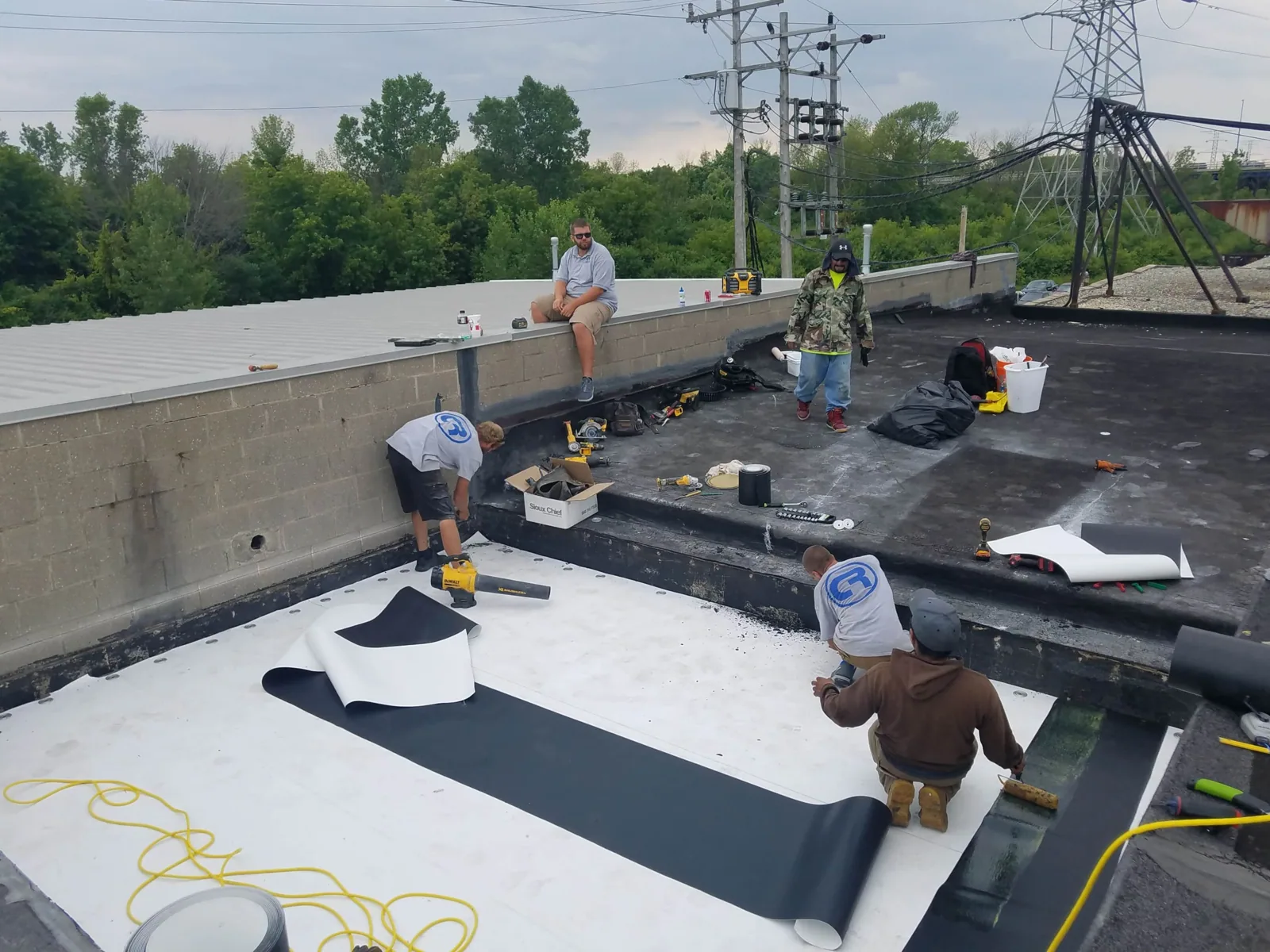
After a storm report, an owner or restoration professional needs a clear record of roof conditions, affected areas, and work that can stabilize the building. In College Station, TX, we inspect accessible roof details, photograph observed conditions, and prepare a repair scope tied to the building’s assembly. The record can help an owner, adjuster, and restoration contractor discuss the same roof areas while repair work is planned. It distinguishes visible damage from pre-existing conditions or questions that need further review.
Share the date of the reported event, interior symptoms, prior roof records, access restrictions, and any restoration work already completed. We can coordinate a site review and record the conditions visible at the time of inspection. For portfolio managers handling more than one affected asset, a managed property condition record can keep the observations separated by address.
Document what the roof shows
A useful storm inspection follows the roof from its field areas to vulnerable details. We examine accessible membrane or metal, seams, flashings, edges, penetrations, equipment curbs, drains, and skylight transitions. Photographs are organized by area and captioned with the condition observed, such as a puncture, displaced accessory, lifted edge, or impact mark. If a condition is not visible or the area cannot be reached, the report states that limit and identifies the next access or testing step.
Regional hail, tornado, and wind records can help set a post-event review process, but a weather history does not establish damage at an individual building. We compare the reported event and symptoms with current roof observations and available maintenance records. A roof inspection can document the assembly as it appears on the visit date, while a condition report preserves photographs and recommendations for the property file.
For each photograph, we identify the roof area and explain why the detail matters to the reported condition. A close image of a seam or metal edge is more useful when paired with an overview that shows its location relative to drains, curbs, or a parapet. We can also record measurements or follow-up needs when the available visual evidence is not enough to define a repair. That makes it easier for the owner and restoration crew to review the same condition before work begins.
Separate event damage from roof history
Pre-storm records help clarify whether a condition appeared after the reported event or was already part of the roof history. We review available photographs, repair invoices, maintenance notes, and previous leak reports, then compare them with current findings. The inspection can identify conditions that are consistent with recent impact or movement, but the report should state what is observable and when it was seen. A roof area with wear or prior repair may need separate consideration from a newly damaged detail.
During the April 8, 2021 storm, hailstones measured as large as 2.75 inches in the paired cities of Bryan and College Station. That regional event supports a post-storm inspection process, while the condition at each property still needs to be documented on site. If a report concerns wind uplift, the wind damage review can document edge attachment, perimeter metal, and displaced components where accessible.
Describe repair work by location
A repair estimate should identify the roof area, detail, materials, access assumptions, temporary protection, and interior work included. We describe the repair boundary and any adjacent condition that should be watched. If water entry continues or moisture is present beyond the visible damage, further evaluation may be needed before a final scope can be set. The claim documentation service can organize roof findings and repair information for the owner’s file and coordination with the parties reviewing the loss.
When work involves a larger section, we inspect existing layers, drainage, attachment, insulation, and compatibility before proposing restoration or replacement. A small patch may not address a roof-wide problem, while broad replacement should be connected to the evidence and project requirements. If the building must remain open, an occupied-building sequence can document work areas and protection. We identify what can be completed now, what needs approval, and what should be revisited after the repair.
Before opening the roof, we agree on how temporary protection will be maintained, who will secure tools and materials, and when work can stop safely if weather changes. If damage exposes insulation or decking, the condition is photographed and reported before that area is covered. The owner can then direct whether additional evaluation is needed, and the crew can continue only within the agreed scope. That sequence protects the building while preserving a record of concealed conditions.
Keep restoration work in step
Restoration work can involve roofers, interior mitigation crews, electricians, mechanical contractors, and property staff. We confirm roof access, staging, safety boundaries, and the sequence for removing and replacing wet or damaged materials. If interior work is already open, the location and timing should be shared so roof observations can be compared with the conditions below. The project contact receives updates when a concealed condition changes the scope or when weather affects an open work area.
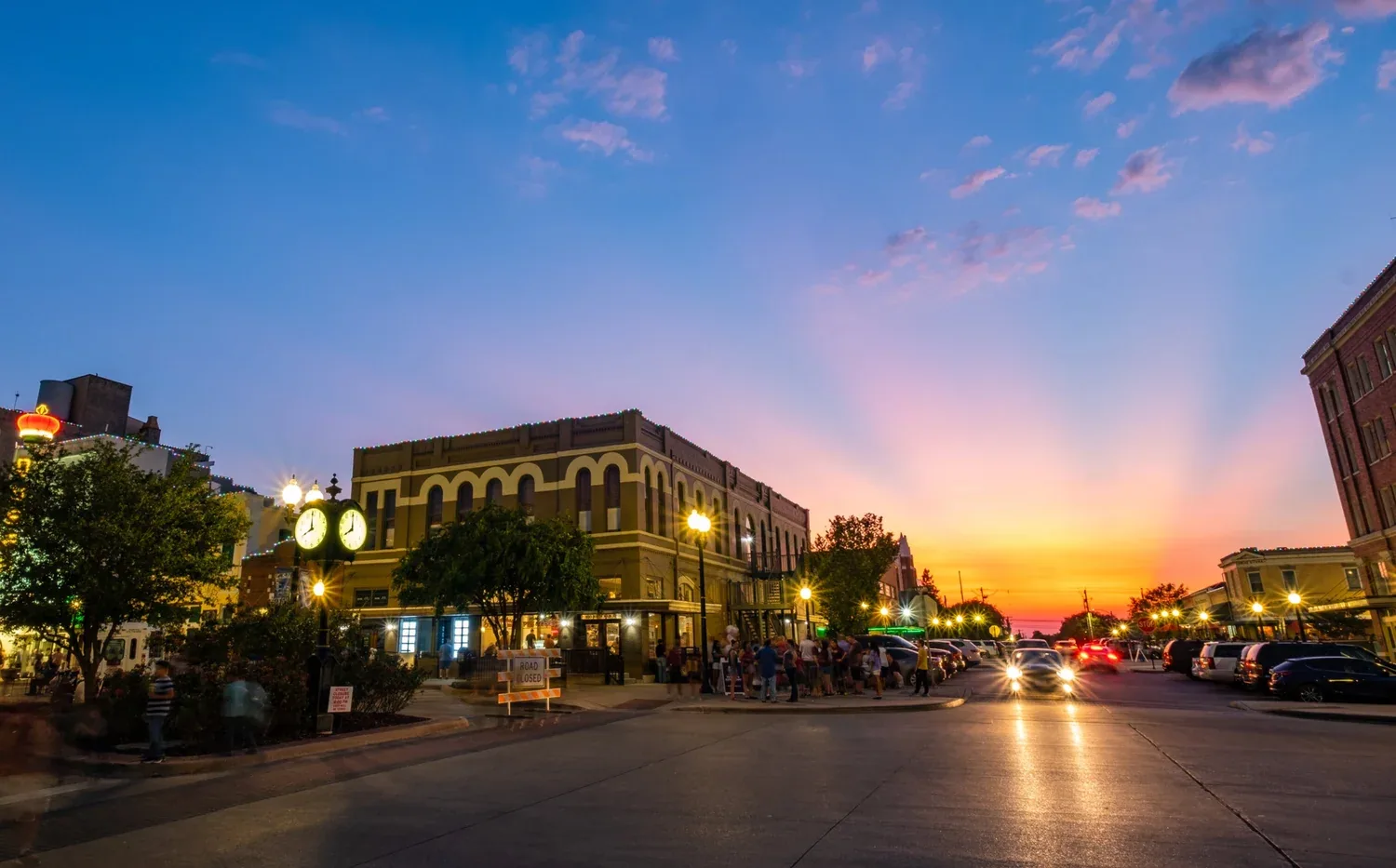
FM 2818, also called Harvey Mitchell Parkway, carries commercial and residential uses through the Bryan and College Station area. A restoration job on either side can use the corridor to coordinate crew routing, but the roof findings remain specific to each property. For a project in Bryan, access, staging, and closeout are coordinated with that site’s contact. A general contractor coordination plan can align roof work with structural, mechanical, or interior restoration scopes.
Finish with a clear repair record
At closeout, we record the areas repaired, materials or details addressed, photographs, and any condition that remains open. The owner can retain this with the inspection findings, restoration invoices, and maintenance history. If another symptom appears, staff can compare its location with the documented repair boundary. That gives the next inspection a specific starting point instead of forcing the building team to reconstruct what occurred from a short invoice.
The long-term July climate normal for College Station shows a 95.4°F mean daily high, a useful factor for access timing and project scheduling. High temperatures do not determine the cause of a loss, so the report stays grounded in visible conditions and available records. After completion, a maintenance follow-up can revisit the repaired details, drains, and nearby seams. When water enters outside business hours, the emergency service can dispatch any day of the year and at any hour, including holidays.
Commercial Roofing Questions
Which records help organize an event review?
Gather available roof drawings, service history, interior reports, site access details, and any temporary stabilization notes. That background helps us plan the inspection and organize the observations by area.
Can your report identify where a roof was damaged?
We document observed conditions by roof area with photographs and note access limits. The report distinguishes visible findings from questions that need further investigation.
Do you prepare repair scopes for restoration work?
Yes. We identify the work boundary, materials where they can be confirmed, access assumptions, protection, and any adjacent conditions that need follow-up.
Can repairs start before the full claim review is complete?
A defined emergency or protective repair may be scheduled when the owner authorizes it and conditions allow. We document work performed and any remaining roof review separately.
What if the roof has older repairs or wear?
We review available service history and compare it with current observations. The record identifies conditions separately where the evidence supports that distinction.
Document the roof and plan the repair
Send the event date, roof records, interior reports, access details, and restoration schedule. We will inspect accessible conditions and prepare a clear scope for the property team.
Related Roofing Work
Request a Roof Assessment
Tell us about the building, the roof and what you are seeing. We look at leaks, storm and wind damage, aging membranes and planned replacements on commercial properties across College Station, Bryan and Brazos County.